nightmare bacteria glowing in a petri dish
Nightmare bacteria cases are rising in the US—learn what they are, their symptoms, and how to protect yourself from these dangerous superbugs.
What Are Nightmare Bacteria? Symptoms to Watch For
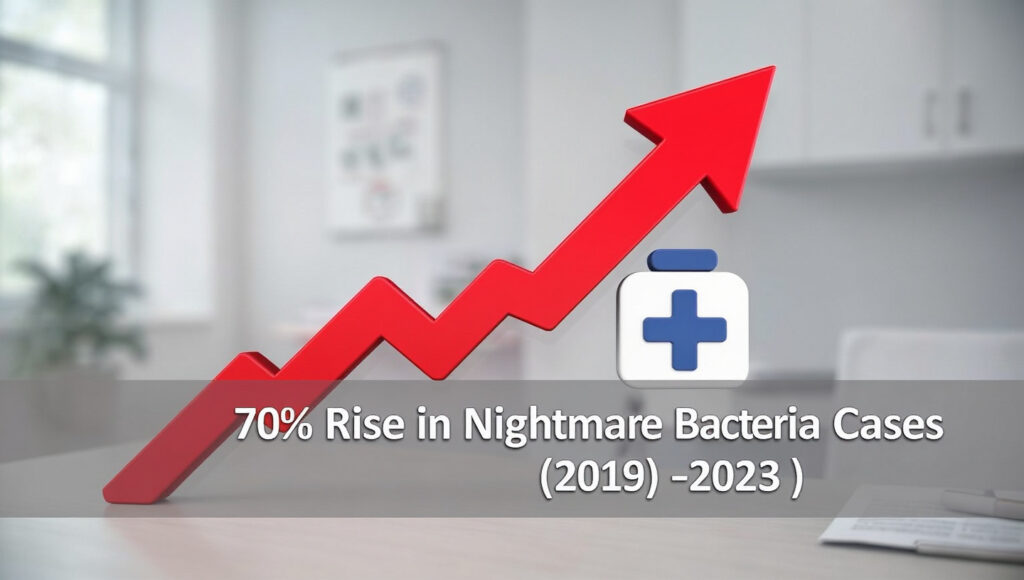
Have you heard the term “nightmare bacteria” in the news lately? It might sound like something from a scary movie, but it’s very real—and it’s becoming a serious health concern in the United States. In fact, cases of these dangerous germs have spiked by nearly 70% between 2019 and 2023, according to the CDC . So, what exactly are nightmare bacteria, and why should you care? Let’s break it down in simple terms.
What Exactly Are Nightmare Bacteria?

People call a group of superbugs “nightmare bacteria”—specifically, Carbapenem-resistant Enterobacteriaceae (CRE). These bacteria have developed resistance to most, if not all, antibiotics, including carbapenems, which doctors often use as a last resort for serious infections.
Because they’re so hard to treat, infections caused by nightmare bacteria can be life-threatening. What’s even scarier is that these bacteria can share their drug-resistance genes with other bacteria, making more germs dangerous over time .
Why Are Nightmare Bacteria Cases Spiking in the US?
In recent years, nightmare bacteria cases have been on the rise across the country. A CDC report found that infections jumped by almost 70% from 2019 to 2023 . In some cases, the increase was even higher—up to 461% for certain strains carrying the NDM gene .
These infections mostly occur in hospitals and long-term care facilities, where people are already sick or have weakened immune systems. However, they can also spread to healthy individuals—especially when people don’t follow proper hygiene.
Common Symptoms of Nightmare Bacteria Infections
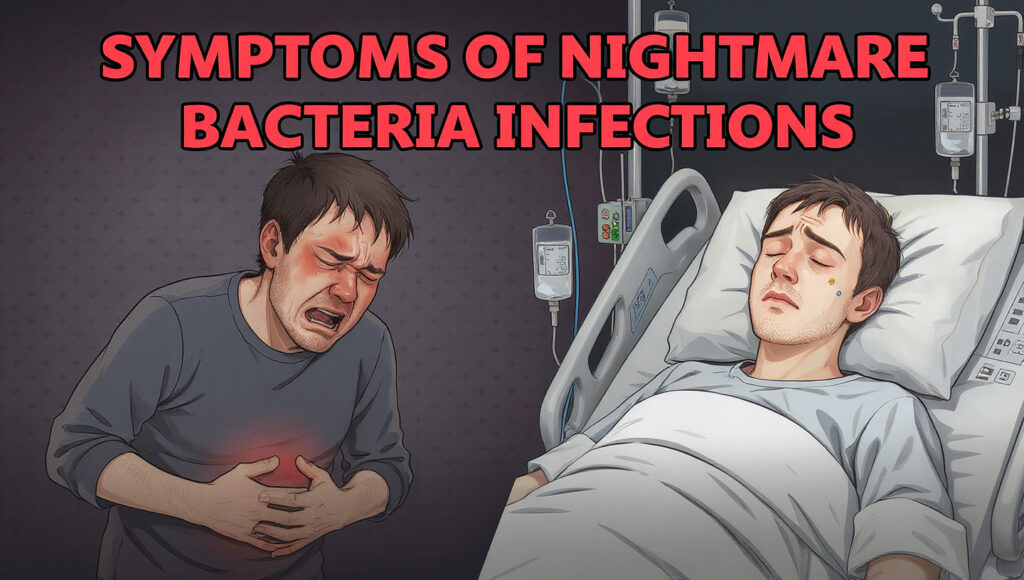
The symptoms of a nightmare bacteria infection depend on where the infection is in your body. Because these bacteria can cause many types of infections, the signs can vary widely. That said, here are the most common ones to watch for.
Nightmare Bacteria and Urinary Tract Infections (UTIs)
One of the most frequent infections caused by nightmare bacteria is a UTI. If you or someone you know experiences the following, it could be a sign of a serious infection:
- A burning feeling when peeing
- Cloudy or strong-smelling urine
- Frequent urge to urinate
- Fever or chills
These symptoms might seem like a normal UTI, but if they don’t improve with standard antibiotics, nightmare bacteria could be the cause.
Nightmare Bacteria in the Bloodstream
When nightmare bacteria enter the bloodstream, the situation becomes very serious. Symptoms may include:
- High fever and chills
- Low blood pressure
- Rapid heart rate
- Confusion or extreme tiredness
This type of infection, called sepsis, can be deadly if doctors don’t treat it quickly—and because these bacteria resist most drugs, they leave few treatment options.
Other Infections
Nightmare bacteria can also cause pneumonia, wound infections, and even deadly diarrhea. Additional symptoms might include:
- Cough and chest pain (for pneumonia)
- Abdominal pain, nausea, and loss of appetite (for gut infections)
If you’ve been in a hospital recently and develop any of these symptoms, tell your doctor right away.
How Are Nightmare Bacteria Treated?
Sadly, nightmare bacteria are resistant to nearly all antibiotics, which makes them extremely hard to treat . In some cases, only one or two older antibiotics might still work—but even those aren’t always effective.
Sometimes, a combination of drugs is used. In the worst cases, treatment might focus on managing symptoms while the body tries to fight the infection on its own. This is why prevention is so important.
How Can You Protect Yourself ?

While they are mostly a risk in healthcare settings, there are steps everyone can take to stay safe:
- Wash your hands often with soap and water, especially before eating or after using the bathroom.
- Don’t demand antibiotics for colds or the flu—these are caused by viruses, not bacteria. Overuse of antibiotics is a major reason these superbugs exist.
- Follow your doctor’s instructions exactly if you are prescribed antibiotics. Never skip doses or share them with others.
- Keep cuts and wounds clean and covered until they heal.
In hospitals, strict infection control measures—like disinfecting equipment and isolating infected patients—are critical to stopping the spread .
For more information on antibiotic resistance, you can visit the CDC’s page on CRE . The World Health Organization also offers global insights on this growing threat.
The Bottom Line
CREs are a real and growing danger, especially as cases continue to rise in the U.S. While these drug-resistant superbugs are most common in hospitals and long-term care facilities, everyone should know the symptoms and take steps to prevent infections. By using antibiotics wisely and practicing good hygiene, we can all help slow the spread of these dangerous germs.
Frequently Asked Questions
Q: Are nightmare bacteria contagious?
A: Yes, they can spread from person to person, especially in hospitals, through contact with contaminated surfaces or equipment.
Q: Can healthy people get infected with nightmare bacteria?
A: It’s rare, but possible—especially after surgery, long hospital stays, or if you have a medical device like a catheter.
Q: Why are they called “nightmare” bacteria?
A: Because they’re resistant to almost all antibiotics, making infections very hard—or sometimes impossible—to treat.
Q: Is there a vaccine for nightmare bacteria?
A: No, there’s currently no vaccine. Prevention through hygiene and responsible antibiotic use is key.
Q: Should I be worried about nightmare bacteria?
A: While the risk to healthy people is low, it’s important to be informed. Awareness and prevention can protect you and your community.
Related Articles
Air Pollution and Dementia: Protect Your Brain Now








Can you be more specific about the content of your article? After reading it, I still have some doubts. Hope you can help me.