
Stage 3 prostate cancer symptoms explained by doctor
Learn about stage 3 prostate cancer symptoms, their meaning, treatment options, and when to seek medical advice. Stay informed with this easy guide.
Stage 3 Prostate Cancer Symptoms and What They Mean
Prostate cancer is one of the most common cancers in men. While many cases are detected early, some men are diagnosed when the cancer has already advanced. Stage 3 prostate cancer means the cancer has grown beyond the prostate but has not yet spread to distant organs. Understanding stage 3 prostate cancer symptoms is essential for early treatment and a better quality of life.
This article explains the main symptoms, what they mean, how doctors diagnose this stage, and the treatment options available.
What Does Stage 3 Prostate Cancer Mean?
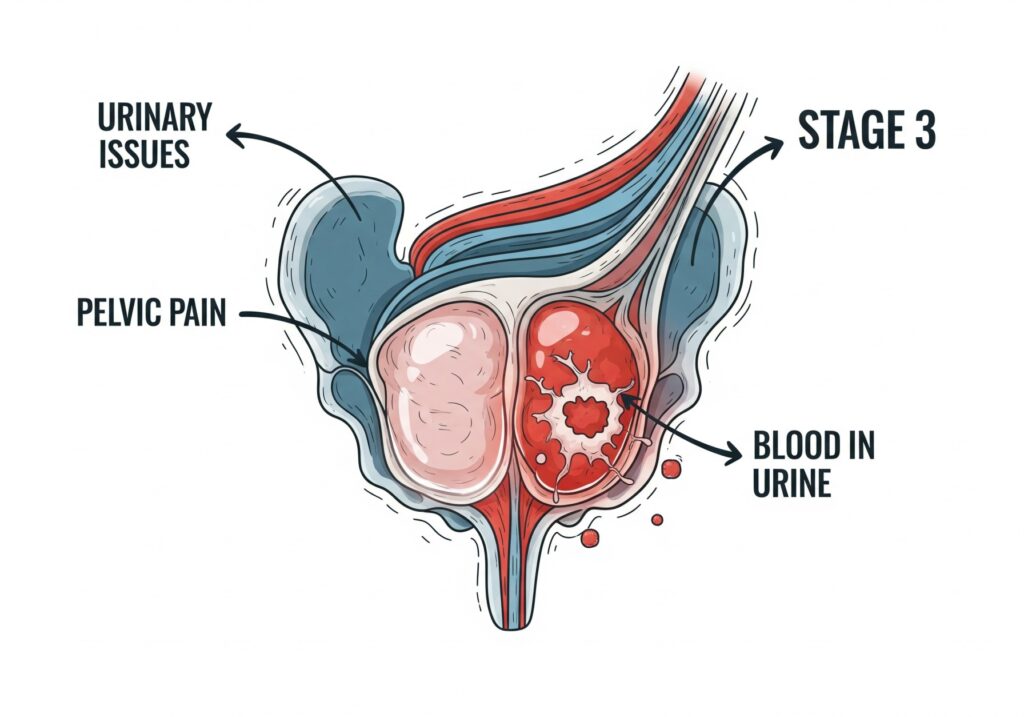
Doctors divide prostate cancer into four main stages. These stages help in deciding the right treatment.
- Stage 1 & 2: Cancer is small and limited to the prostate.
- Stage 3: Cancer has grown outside the prostate to nearby tissues, such as the seminal vesicles.
- Stage 4: Cancer has spread to distant organs like bones or lymph nodes.
At stage 3, the disease is still considered locally advanced. It may not yet be life-threatening if treated properly. However, symptoms are usually more noticeable than in earlier stages.
For more details on staging, visit American Cancer Society.
Common Stage 3 Prostate Cancer Symptoms
Unlike early prostate cancer, which may cause few or no symptoms, stage 3 often brings noticeable changes.
1. Difficulty Urinating
Men may feel that the urine stream is weak or takes longer than usual to start. This happens because the cancer presses on the urethra.
2. Frequent Urination, Especially at Night
Needing to wake up many times during the night to urinate is a classic sign. The enlarged prostate and surrounding tumor growth make the bladder more irritable.
3. Pain or Burning During Urination
Inflammation or pressure caused by the cancer may lead to discomfort or a burning sensation when passing urine.
4. Blood in Urine or Semen
Though not always present, some men may notice blood. This is a serious sign and should not be ignored.
5. Erectile Dysfunction
Cancer and its effect on surrounding tissues can interfere with normal sexual function. This symptom often worsens at this stage.
6. Pain in the Pelvic or Lower Back Area
As cancer grows beyond the prostate, it can press on nearby nerves and tissues. This may lead to pain in the pelvis, hips, or lower back.
Why Do These Symptoms Occur?
The symptoms in stage 3 prostate cancer mostly result from the tumor pressing against surrounding organs and tissues.
- Urination problems occur because the urethra passes through the prostate. As the gland enlarges with cancer, the urethra gets blocked.
- Pelvic and back pain happen when the tumor grows outward, affecting nerves and muscles.
- Sexual dysfunction may be due to both physical obstruction and psychological stress of the disease.
Understanding the reason behind each symptom helps in better communication with doctors and choosing the right treatment.
Diagnosis of Stage 3 Prostate Cancer
Doctors use several tests to confirm stage 3 prostate cancer:
- PSA Test (Prostate-Specific Antigen): A blood test that measures PSA levels. High PSA may indicate cancer.
- Digital Rectal Exam (DRE): Doctors feel the prostate for hard or irregular areas.
- Biopsy: A tissue sample from the prostate is examined under a microscope.
- MRI or CT Scan: Imaging tests to check if cancer has spread beyond the prostate.
- Bone Scan: Ensures cancer has not yet spread to bones (important to distinguish between stage 3 and stage 4).
For more information, check National Cancer Institute.
Treatment Options for Stage 3 Prostate Cancer

Treatment for stage 3 depends on overall health, age, and how far the cancer has spread.
1. Surgery (Radical Prostatectomy)
Doctors may remove the prostate and surrounding tissues. Surgery is often recommended for younger and healthier men.
2. Radiation Therapy
Radiation uses high-energy rays to kill cancer cells. It may be combined with hormone therapy for better results.
3. Hormone Therapy
Since prostate cancer depends on male hormones (androgens), lowering these hormones slows cancer growth.
4. Chemotherapy
In some cases, doctors may add chemotherapy if the cancer is aggressive or does not respond to hormone therapy.
5. Clinical Trials
Some men may choose to join clinical trials to access new treatments. You can explore ongoing studies at ClinicalTrials.gov.
Living with Stage 3 Prostate Cancer
A diagnosis of stage 3 prostate cancer can be overwhelming. But many men live for years with proper treatment.
Lifestyle Tips to Manage Symptoms
- Eat a balanced diet rich in fruits, vegetables, and whole grains.
- Exercise regularly to maintain strength and reduce fatigue.
- Avoid smoking and alcohol, as they may worsen health.
- Practice stress management through meditation or yoga.
Support groups and counseling also help men and their families cope emotionally.
Prognosis: What to Expect
The outlook for stage 3 prostate cancer is often better than stage 4. With timely treatment, survival rates are high. According to Cancer Research UK, many men live 10 years or more after a stage 3 diagnosis.
FAQs on Stage 3 Prostate Cancer Symptoms
Q1: Can stage 3 prostate cancer be cured?
Yes. In many cases, stage 3 prostate cancer can be treated successfully with surgery, radiation, or hormone therapy.
Q2: How long can you live with stage 3 prostate cancer?
With proper treatment, many men live for more than 10 years. Life expectancy depends on age, health, and response to treatment.
Q3: Do all men with stage 3 prostate cancer have pain?
Not always. Some men may not feel pain, but symptoms like urinary problems are very common.
Q4: Is stage 3 prostate cancer considered aggressive?
Yes, it is locally advanced and can grow quickly if untreated. But it is not the final stage.
Q5: Should I get a second opinion for treatment?
Definitely. A second opinion can confirm the diagnosis and offer different treatment choices.
Final Thoughts
Recognizing stage 3 prostate cancer symptoms early is critical. These symptoms, such as frequent urination, pelvic pain, or erectile dysfunction, are warning signs that the cancer has advanced. However, with the right diagnosis and treatment plan, men can live long and fulfilling lives.
Staying informed, making healthy lifestyle changes, and seeking timely medical care can make all the difference.
👉 Explore related articles:
- How to Spot Early-Stage Prostate Cancer Symptoms Fast
- Discover the Best Prostate Cancer Treatment Options Today
Medical Disclaimer: This article is for educational purposes only and is not a substitute for professional medical advice, diagnosis, or treatment. Always consult a qualified healthcare provider with any questions you may have about your health or before making changes to your diet or lifestyle.
Call to Action: If you found these tips helpful, share this article with friends and family. For more science-backed health insights, explore our latest blogs on Nowspress.





Can you be more specific about the content of your article? After reading it, I still have some doubts. Hope you can help me.
Your article helped me a lot, is there any more related content? Thanks!