
lifestyle changes for heart health that reduce disease risk
Discover 5 simple lifestyle changes for heart health that can lower your risk of heart disease by up to 50%. Easy tips anyone can follow!
Simple Lifestyle Changes for Heart Health That Work
Heart disease is one of the leading causes of death worldwide. But here’s the good news: up to 50% of heart disease cases can be prevented. How? Through simple lifestyle changes for heart health.
You don’t need fancy pills or expensive treatments. Small, everyday choices—like what you eat, how you move, and how you rest—can make a huge difference. In fact, research from the American Heart Association shows that healthy habits can slash your risk dramatically.
So, if you’ve ever worried about your heart, keep reading. Below are five easy lifestyle changes for heart health that anyone can start today.
Why Lifestyle Changes for Heart Health Matter
Your heart works 24/7. It never takes a break. Therefore, it deserves your care. Poor diet, stress, smoking, and sitting too much can silently damage your heart over time.
However, when healthy habits are adopted, your blood pressure drops, your cholesterol improves, and your arteries stay clear. Best of all, these lifestyle changes for heart health don’t just protect your heart—they boost your whole life!
1. Eat More Plants, Less Processed Food

One of the most powerful lifestyle changes for heart health starts in your kitchen.
Processed foods—like chips, sugary drinks, and frozen meals—are often loaded with salt, sugar, and unhealthy fats. These ingredients raise blood pressure and clog arteries.
On the other hand, fruits, vegetables, whole grains, beans, and nuts are packed with fiber, vitamins, and good fats. They help lower bad cholesterol and keep your heart strong.
For example, try swapping white bread for whole wheat, or soda for water with lemon. Small swaps like these add up.
According to Harvard Health, a plant-focused diet can reduce heart disease risk by nearly 30%. So, fill half your plate with colorful veggies at every meal!
2. Move Your Body Every Day

Another key lifestyle change for heart health is regular physical activity.
You don’t need to run a marathon. Just 30 minutes of brisk walking five days a week is enough. This could be a walk around your neighborhood, dancing to your favorite songs, or even gardening.
When you move, your heart pumps more efficiently. Over time, your resting heart rate drops, and your blood vessels become more flexible.
Moreover, exercise helps control weight, which is another big factor in heart health. The CDC recommends at least 150 minutes of moderate activity per week for adults.
Remember: something is always better than nothing. Even a 10-minute walk after dinner counts!
3. Quit Smoking—For Good

If you smoke, quitting is the single best lifestyle change for heart health you can make.
Smoking damages your blood vessels, raises blood pressure, and lowers good cholesterol. Within just 20 minutes of your last cigarette, your heart rate begins to drop.
After one year of not smoking, your risk of heart disease is cut in half. After 15 years, it’s almost the same as someone who never smoked!
Quitting isn’t easy, but help is available. Talk to your doctor or visit Smokefree.gov for free support and tools.
4. Manage Stress the Healthy Way

Stress is a silent enemy of the heart. When you’re stressed, your body releases hormones like cortisol, which can raise blood pressure and cause inflammation.
Therefore, learning to manage stress is a vital lifestyle change for heart health.
Try deep breathing, meditation, or yoga. Even talking to a friend or writing in a journal can help. The key is to find what calms you.
The American Heart Association notes that chronic stress is linked to higher heart disease risk. So, make time for peace every day—even if it’s just five quiet minutes.
5. Prioritize Quality Sleep
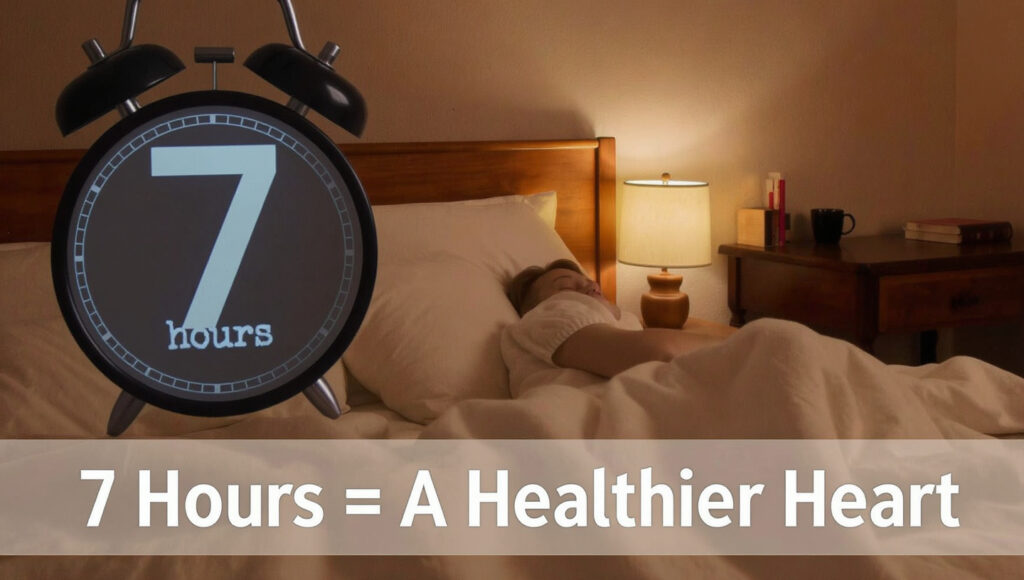
Many people overlook sleep, but it’s a crucial lifestyle change for heart health.
When you don’t sleep enough (less than 7 hours for most adults), your body struggles to regulate stress hormones and blood sugar. Poor sleep is also linked to high blood pressure and obesity.
To improve sleep:
- Go to bed and wake up at the same time daily
- Avoid screens an hour before bed
- Keep your bedroom cool and dark
The National Sleep Foundation explains that good sleep helps your heart repair itself overnight. So, treat sleep like a daily vitamin for your heart!
Start Small, Stay Consistent
You don’t have to change everything at once. Pick one lifestyle change for heart health that feels doable—maybe drinking more water or taking evening walks.
After a few weeks, add another. Over time, these habits become part of your routine. And your heart will thank you for years to come.
Remember: your future self is counting on the choices you make today.
Final Thoughts
Heart disease doesn’t have to be your destiny. With these five lifestyle changes for heart health, you can take control and cut your risk by up to 50%.
Eat well, move more, quit smoking, manage stress, and sleep well. These aren’t just “healthy tips”—they’re life-saving habits.
For more trusted advice, check out resources from the American Heart Association or the CDC’s Heart Disease page.
Your heart is precious. Start caring for it today!
FAQ: Lifestyle Changes for Heart Health
Q1: How quickly do lifestyle changes for heart health show results?
A: Some benefits appear fast! Blood pressure can improve in just a few weeks. Cholesterol and weight may take 2–3 months. But every healthy choice helps right away.
Q2: Can I still eat meat if I want heart health?
A: Yes! Choose lean meats like chicken or fish. Limit red meat and avoid processed meats (like sausages or bacon). Plant-based meals should be the main focus.
Q3: Is it too late to start these lifestyle changes for heart health if I’m older?
A: It’s never too late! Studies show that even people in their 70s and 80s benefit from healthy habits. Your heart can heal at any age.
Q4: Do I need to go to the gym for heart health?
A: No. Any movement counts—walking, cycling, swimming, or even housework. The goal is to stay active daily, not to lift heavy weights.
Q5: How much can these changes really lower my risk?
A: Research shows that combining these five habits can reduce heart disease risk by up to 50%. Some studies even report higher reductions!
Disclaimer: This blog is for informational purposes only. Always consult your doctor before making major health changes.
Related Articles
Know the Silent Heart Attack Symptoms Now
5-Minute Breathing Habit for a Stronger Heart and Brain
10 signs of heart disease you ignore — doctor explains
6-6-6 Walking Trend: Simple Steps to a Healthier Heart
Decline in Physical Activity and Heart Attack Risk: What You Need to Know




weed delivery online store 24 7