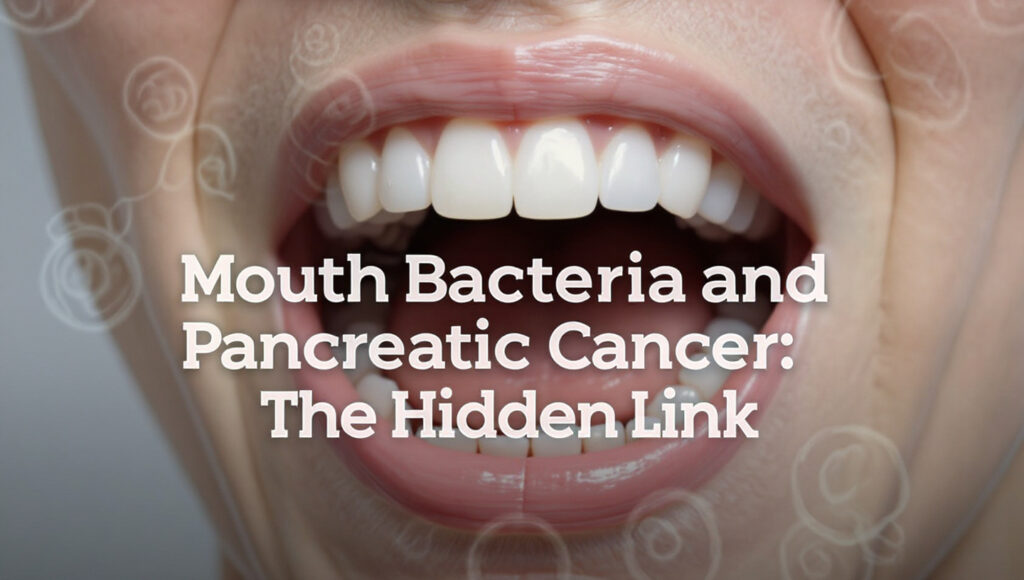
Illustration showing the connection between mouth bacteria and pancreatic cancer
New research links mouth bacteria and pancreatic cancer. Learn how your oral health may affect your risk—and what you can do about it.
Mouth Bacteria and Pancreatic Cancer: What You Need to Know
Have you ever thought that the tiny germs in your mouth could affect your chances of getting a serious disease like cancer? It might sound surprising, but scientists are now finding strong links between mouth bacteria and pancreatic cancer.
In this blog, we’ll break down what researchers have discovered, why it matters, and—most importantly—what you can do to protect yourself. Don’t worry! We’ll keep things simple and clear, just like chatting with a friend.
What Is Pancreatic Cancer?

First, let’s understand what pancreatic cancer is. The pancreas is a small organ behind your stomach. It helps digest food and control blood sugar.
Unfortunately, pancreatic cancer is often found too late. That’s because early symptoms are hard to notice. As a result, it’s one of the deadliest cancers. But here’s some hope: if we understand the causes better, we might prevent it.
And that’s where mouth bacteria and pancreatic cancer come into the picture.
The Surprising Link Between Your Mouth and Your Pancreas

Your mouth is home to hundreds of types of bacteria and fungi. Most of them are harmless—or even helpful! But some can cause trouble if they grow too much or travel to other parts of your body.
Now, new studies show that two specific germs in the mouth—Porphyromonas gingivalis and Aggregatibacter actinomycetemcomitans—are linked to a higher risk of pancreatic cancer.
In fact, people with high levels of these bacteria were found to be 50–60% more likely to develop pancreatic cancer later in life. That’s a big increase!
How does this happen? Well, scientists believe that these harmful germs may cause long-term inflammation. Chronic inflammation is known to damage cells and possibly lead to cancer over time.
How Do Mouth Bacteria Reach the Pancreas?
You might wonder: “How can germs from my mouth end up in my pancreas?”
Good question!
When you have gum disease (like gingivitis or periodontitis), your gums bleed easily. This lets bacteria enter your bloodstream. From there, they can travel anywhere—including your pancreas.
Once inside, these germs may trigger the immune system. Over time, this constant immune response can create a harmful environment that encourages cancer cells to grow.
So, poor oral health doesn’t just affect your teeth—it might silently affect your whole body.
Fungi Also Play a Role

It’s not just bacteria. Recent research also points to certain fungi in the mouth that may raise pancreatic cancer risk.
A 2023 study published in Nature found that people with pancreatic cancer often had more Malassezia fungi in their mouths and guts. When these fungi were blocked in lab mice, tumor growth slowed down.
This suggests that both mouth bacteria and pancreatic cancer—and even mouth fungi—could be part of the same dangerous mix.
Learn more about the role of fungi in cancer from the National Cancer Institute.
Can Good Oral Hygiene Lower Your Risk?

Yes! This is the good news.
While we can’t control everything, we can take care of our mouths. Brushing twice a day, flossing daily, and visiting the dentist regularly help keep harmful germs in check.
In fact, studies show that people who practice good oral hygiene have lower levels of the risky bacteria linked to pancreatic cancer.
So, your toothbrush might be doing more than just keeping your smile bright—it could be helping protect your pancreas too!
The American Dental Association recommends these simple steps for better oral health.
Other Risk Factors to Keep in Mind
Of course, mouth bacteria and pancreatic cancer aren’t the only factors. Smoking, obesity, diabetes, and family history also play big roles.
But here’s the key: oral health is something you can control. Even if you have other risk factors, taking care of your mouth gives you one more way to stay safe.
What Should You Do Now?
Don’t panic! Having some mouth bacteria doesn’t mean you’ll get cancer. But it’s smart to be proactive.
Here’s a simple action plan:
- Brush your teeth for two minutes, twice a day.
- Floss every night.
- Replace your toothbrush every 3–4 months.
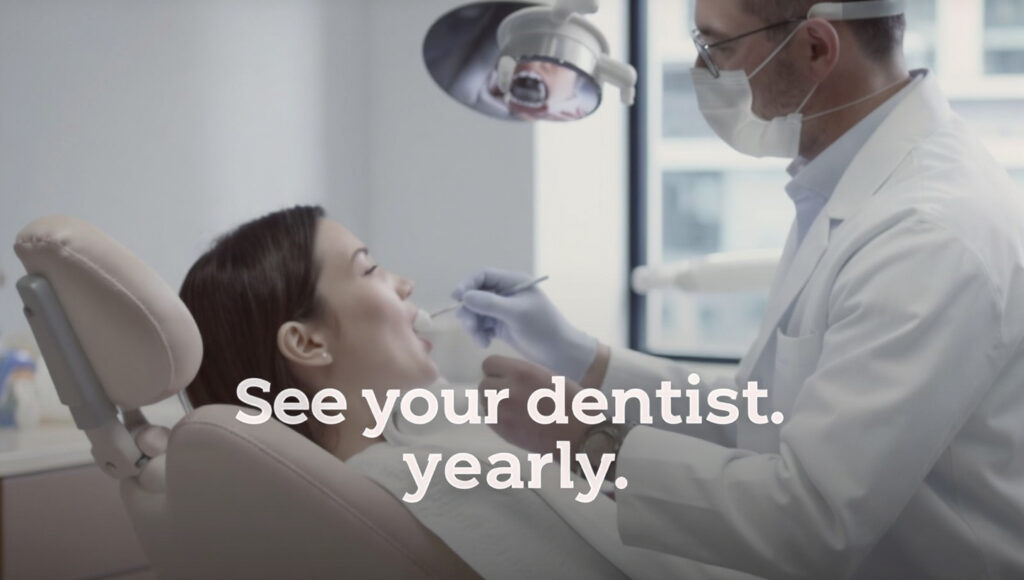
- See your dentist at least once a year (or more if recommended).
- Avoid sugary drinks and snacks that feed bad bacteria.
Small habits today can lead to big health wins tomorrow.
Final Thoughts
The connection between mouth bacteria and pancreatic cancer is still being studied. But the evidence so far is strong enough to take seriously.
Your mouth is a window to your overall health. By keeping it clean and healthy, you’re not just preventing cavities—you might also be lowering your risk of serious diseases.
So next time you brush your teeth, remember: you’re doing more than freshening your breath. You’re protecting your whole body.
For more on how oral health affects overall wellness, visit the CDC’s oral health page.
FAQ: Mouth Bacteria and Pancreatic Cancer
Q1: Does everyone with gum disease get pancreatic cancer?
No. Gum disease increases risk, but it doesn’t guarantee cancer. Many other factors are involved. Still, treating gum disease is always a good idea.
Q2: Can mouthwash kill the harmful bacteria linked to pancreatic cancer?
Some antibacterial mouthwashes may help reduce bad bacteria, but they’re not a complete solution. Brushing and flossing are more effective for long-term control.
Q3: How soon after poor oral hygiene can cancer develop?
There’s no fixed timeline. Pancreatic cancer usually takes years to develop. But chronic inflammation from long-term gum disease may slowly raise your risk over time.
Q4: Should I get tested for these bacteria?
Routine testing isn’t common yet. But if you have severe gum disease or a family history of pancreatic cancer, talk to your doctor or dentist.
Q5: Are probiotics helpful for oral health?
Some studies suggest oral probiotics may support a healthy mouth microbiome, but more research is needed. Always focus on proven methods like brushing and flossing first.
Stay informed, stay healthy—and never underestimate the power of a clean mouth!
Related Articles
Enteromix Cancer Vaccine Sparks New Hope Against Cancer
Esophageal Cancer Symptoms: How to Detect Them Early
Stage 3 Prostate Cancer Symptoms That Need Urgent Care
How to Spot Early-Stage Prostate Cancer Symptoms Fast
Discover the Best Prostate Cancer Treatment Options Today
White-Fleshed Fruits and Vegetables: A Simple Cancer Shield
World Breast Cancer Research Day: The Fight for a Cure
Colon Cancer Symptoms and Risk Factors in Men and Women: Life-Saving Facts You Need Now