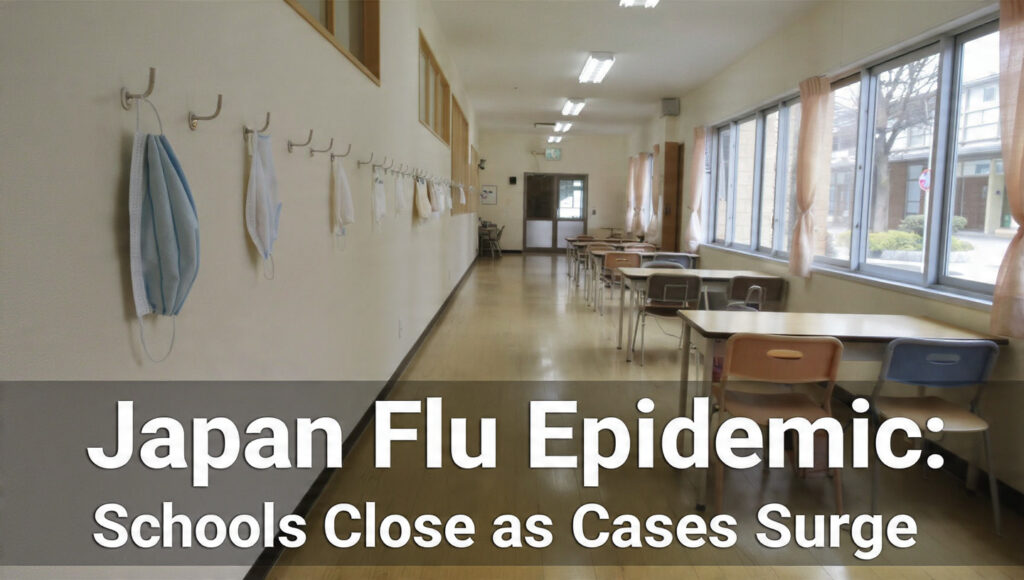
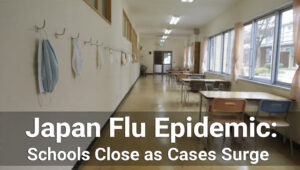
Empty school hallway during the Japan flu epidemic
Japan flu epidemic surges with over 4,000 cases—schools close nationwide. Learn how Japan is responding to the outbreak and staying safe.
Japan Flu Epidemic: Schools Close as Cases Surge
In early October 2025, Japan issued a serious health alert. The government officially declared a Japan flu epidemic after health officials reported more than 4,000 new flu cases in just one week. In response, authorities temporarily shut down at least 135 schools and childcare centers to stop the virus from spreading further.
But what exactly is happening? Why is this flu season so different? And what does it mean for students, parents, and even travelers? In this blog, we’ll break everything down in simple, easy-to-understand language—so you can stay informed and protected.
What Is the Japan Flu Epidemic?
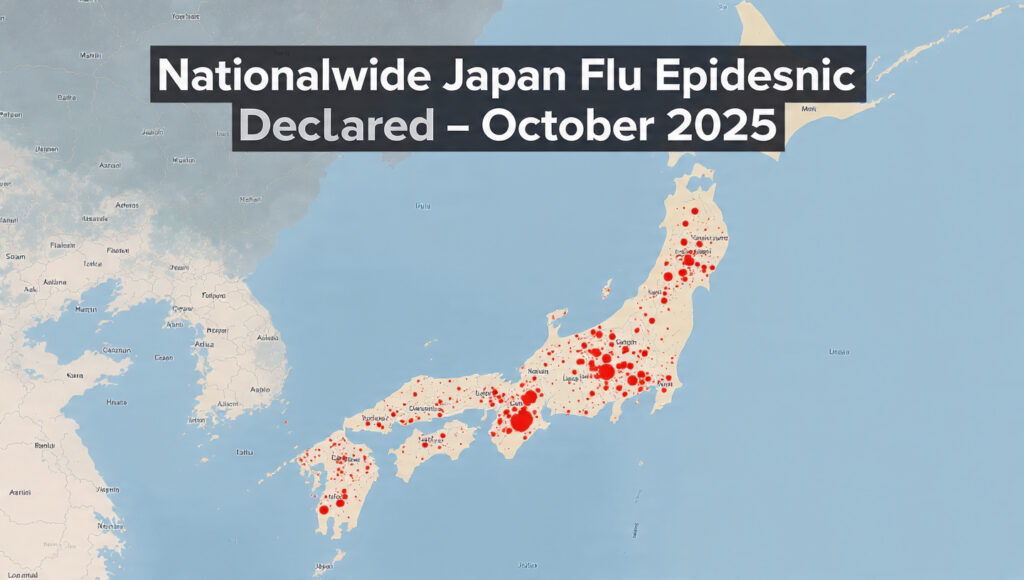
A Japan flu epidemic occurs when flu cases rise far above normal levels across the country. Normally, flu season in Japan runs from late fall to early spring. However, this year, the outbreak started unusually early—in the first week of October. In fact, it’s the second-earliest start to flu season in the past 20 years, just behind the 2009 pandemic.
Flu cases rose early this year. So health officials declared a nationwide epidemic right away. They base this threshold on data from more than 5,000 medical facilities across Japan.
When the average number of flu patients per clinic rises above 1 in a week, officials officially declare an epidemic. This year, the number shot past that mark nationwide—and did so very quickly.
Why Is This Japan Flu Epidemic So Severe?
1. Record-Breaking Numbers
Although the current weekly count is around 4,000 cases, it’s important to look at the bigger picture. At the end of December 2024—during the previous flu wave—Japan saw a shocking 317,812 flu cases in one week. That was the highest number ever recorded since Japan began tracking flu data in 1999. Experts now say this was the biggest flu outbreak in 25 years.
So while the current numbers seem lower, they’re actually alarming because they’re happening much earlier than usual. Flu cases this high in October are rare—and that’s why health officials are taking extra precautions.
2. Possible Virus Changes
Another concern is that the flu virus might be changing. Some experts warn that the virus could be mutating, which might make it spread faster or resist certain treatments. Although more research is needed, this possibility adds to the urgency of the situation.
How Is the Japan Flu Epidemic Affecting Schools?
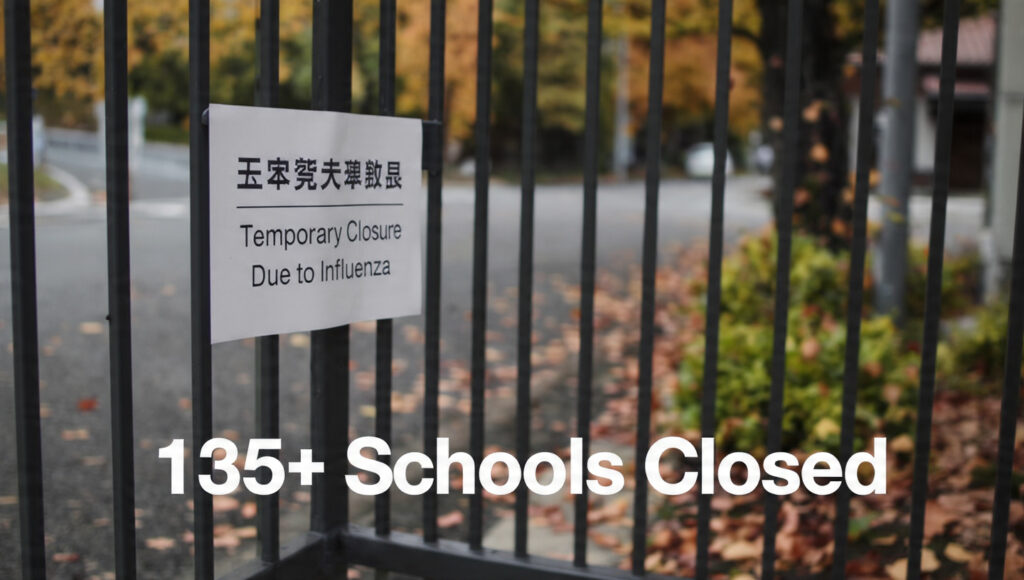
One of the clearest signs of how serious the Japan flu epidemic has become is the closure of schools. As of early October 2025, 135 schools, kindergartens, and childcare centers have been temporarily closed. That’s three times more than during the same period last year.
These closures are not random. They’re happening mostly in areas with high infection rates, such as Tokyo, Okinawa, and Kagoshima. Since children are more likely to catch and spread the flu—especially in crowded classrooms—closing schools helps slow the outbreak.
What Happens During a School Closure?
When a school shuts down because of the flu:
- School officials pause classes for several days.
- They ask students to stay home and avoid group activities.
- Teachers may provide online learning materials if possible.
- Custodial staff thoroughly clean and disinfect the school.
These steps are taken not just to protect students, but also teachers, parents, and the wider community.
How Is Japan Responding to the Flu Epidemic?
1. Government and Health Authorities
Japan’s health ministry is watching the flu closely. The ministry publishes weekly reports to track case numbers, hospitalizations, and virus types. Hospitals have also raised their alert levels, and staff in some wards are already feeling the pressure.
In addition, health authorities are rolling out public health campaigns to remind people about basic flu prevention—such as washing hands, wearing masks when sick, and staying home if symptoms appear.
2. Vaccination Efforts
Flu shots are easy to get in Japan—and doctors strongly recommend them.
They’re especially important for kids, older adults, and people with health problems.
The vaccine won’t stop all flu cases, but it can make symptoms milder and help you avoid the hospital.
However, because the flu virus changes every year, scientists must update the vaccine formula annually. If the current virus has mutated significantly, the vaccine might be less effective, which is another reason why early action is so important.
What Makes This Flu Season Different?
1. Earlier Than Usual
Flu season in Japan typically begins in November or December. But in 2025, it started in early October—about five weeks ahead of schedule. This early start gives the virus more time to spread before winter, when people spend more time indoors and transmission increases.
2. Unusual Spread Patterns
Unlike past years, where outbreaks were more regional, this Japan flu epidemic is spreading quickly across multiple prefectures at once. That’s why a nationwide epidemic was declared so soon.
What Can Individuals Do to Stay Safe?
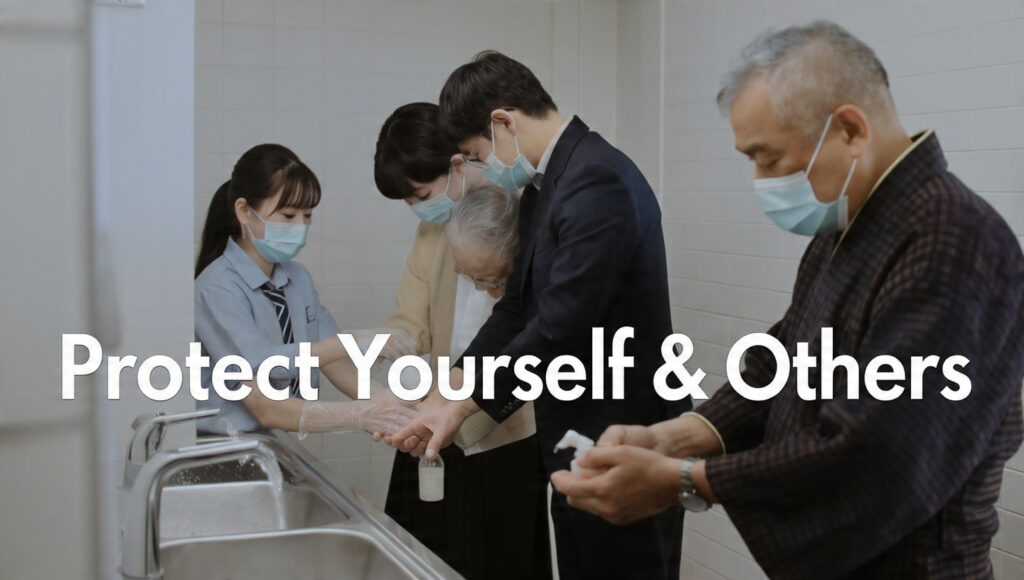
Even though a Japan flu epidemic sounds scary, there are simple steps everyone can take to stay protected:
1. Get Vaccinated
The flu shot is your best defense. It’s safe, widely available, and often covered by insurance in Japan.
2. Practice Good Hygiene
Wash your hands often with soap and water. Use hand sanitizer if soap isn’t available. Avoid touching your eyes, nose, or mouth with unwashed hands.
3. Wear a Mask If You’re Sick
In Japan, it’s common—and polite—to wear a mask when you have a cold or flu. This helps protect others, especially in crowded places like trains or stores.
4. Stay Home When Ill
If you have a fever, cough, or body aches, don’t go to school or work. Resting helps you recover faster and stops the virus from spreading.
5. Keep Spaces Clean
Regularly disinfect doorknobs, phones, and other frequently touched surfaces—especially if someone in your home is sick.
For more tips on flu prevention, you can visit the World Health Organization’s flu page.
Should Travelers Be Worried?
As of October 8, 2025, the U.S. Centers for Disease Control and Prevention (CDC) has not issued a travel warning for Japan due to the flu outbreak. That means it’s still safe to travel—but travelers should take normal flu precautions.
If you’re planning a trip to Japan:
- Consider getting a flu shot before you go.
- Pack hand sanitizer and masks.
- Avoid crowded places if you feel unwell.
- Know where the nearest clinic or hospital is.
For updated travel health advice, check the CDC’s Travelers’ Health page.
Comparing Past Outbreaks: Is This the Worst?
While the current Japan flu epidemic is serious, it’s not the first major outbreak the country has faced. In late 2024, Japan experienced its worst flu week on record—over 317,000 cases in seven days. That outbreak was labeled the biggest in 25 years.
Even so, the 2025 early surge is concerning because it suggests the flu season could last longer and affect more people overall. Health experts are watching closely to see if case numbers continue to climb through October and November.
Historically, Japan has dealt with major flu waves, including during the 1918 global pandemic. But thanks to modern medicine, surveillance systems, and public awareness, the country is much better prepared today.
The Role of Weather and Behavior
Flu viruses love cold, dry air.
That’s why flu season usually hits hardest in winter.
But this year is different. Even mild autumn weather hasn’t slowed the virus down.
Why? After the strict rules of the pandemic, many people have let their guard down. They’re washing their hands less. Wearing masks less. And going to more parties and events.
All of this makes it easier for the flu to spread—fast.
What’s Next for the Japan Flu Epidemic?
No one can predict exactly how this flu season will unfold. However, if current trends continue, more schools could close, and hospitals may face staffing shortages if healthcare workers get sick.
On the bright side, Japan has a strong public health system and a culture of collective responsibility. Many people are already taking precautions seriously—like wearing masks and avoiding crowds when ill. These small actions, when done by millions, can make a big difference.
Health officials will keep sharing updates through official channels, and schools will likely adjust their plans based on local case numbers.
Frequently Asked Questions (FAQ)

Q1: What is a flu epidemic?
A flu epidemic happens when flu cases rise far above normal levels in a specific area over a short time. In Japan, it’s officially declared when the average number of flu patients per medical facility exceeds 1 per week.
Q2: Why are schools closing in Japan?
Schools are closing to stop the flu from spreading among children, who are more likely to catch and pass on the virus. As of October 2025, 135 schools and childcare centers have been shut temporarily.
Q3: Is the flu vaccine effective this year?
The flu vaccine is updated every year to match circulating strains. While it may not prevent all cases, it can reduce symptom severity and lower the risk of complications.
Q4: Can tourists still visit Japan during the flu epidemic?
Yes. The U.S. CDC has not issued a travel warning for Japan as of October 2025. Travelers are advised to follow standard flu prevention tips.
Q5: How long will the Japan flu epidemic last?
Flu season in Japan usually lasts until April or May. Because this outbreak started early, it could continue longer than usual—but case numbers may peak and decline in the coming months.
Q6: What are the symptoms of the flu?
Common flu symptoms include fever, cough, sore throat, runny nose, body aches, headache, and fatigue. If you experience these, rest and seek medical advice if symptoms worsen.
Final Thoughts
The Japan flu epidemic of 2025 is a reminder that viruses don’t follow calendars. Even in a highly developed country like Japan, a fast-spreading flu can disrupt schools, hospitals, and daily life. But with awareness, preparation, and community cooperation, the impact can be reduced.
Whether you live in Japan or are just curious about global health news, understanding this outbreak helps you stay informed—and ready. Remember: small actions like washing your hands or staying home when sick can protect not just you, but your whole community.
Stay safe, stay healthy, and don’t forget to get your flu shot!
Read Article: Valley fever California outbreak: What you need to know





u8cxll