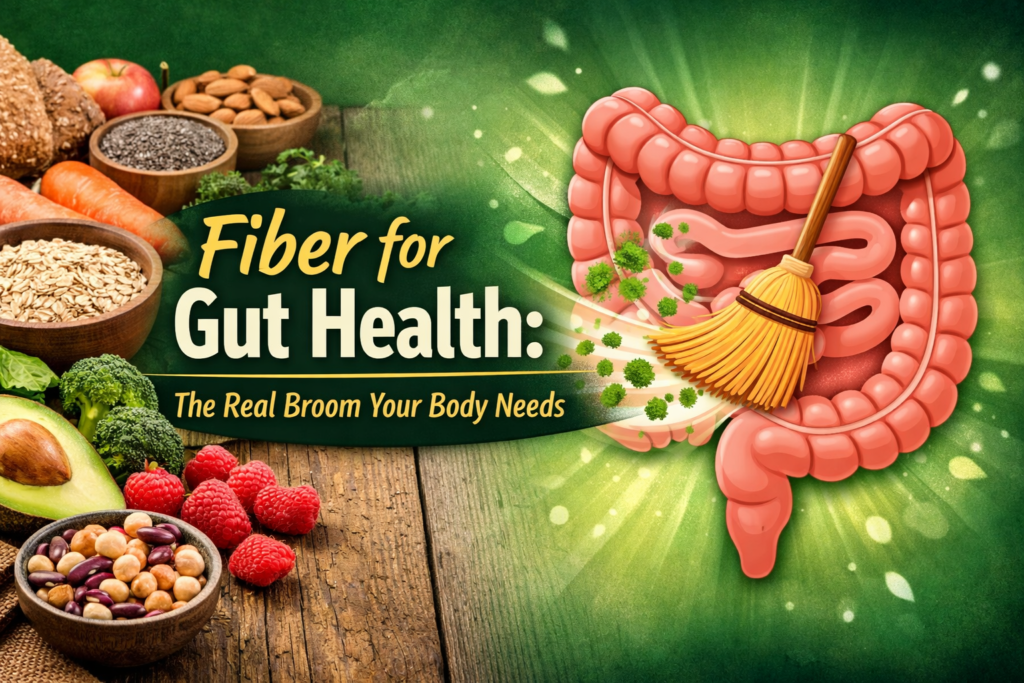
A vibrant collection of whole foods like grains, fruits, and vegetables surrounding a small straw broom, illustrating the role of fiber for gut health
Discover the amazing power of fiber for gut health. Forget trendy juice cleanses; learn why fiber is the real “broom” your body needs for better digestion and energy.
The Juice Myth vs. The Fiber Fact
We all want to feel healthy and energetic. People often claim that a “juice cleanse” is the best way to detox the body. Colorful bottles of juice appear everywhere and promise to clean you from the inside out. However, the truth is different. While juice tastes good, manufacturers often strip it of the most important part: fiber.
If you really want a clean and happy stomach, fiber for gut health is what you should be looking for. Think of fiber as a magical broom. It sweeps through your digestive system, keeping everything moving smoothly. Without it, things can get stuck and sluggish. In this article, we will explore why fiber is the unsung hero of your diet and how it naturally cleans your body better than any expensive juice ever could.
What Exactly Is Fiber?
Before we dive deep, let’s understand what fiber is. Simply put, dietary fiber is a type of carbohydrate that plants contain.. Unlike other carbs (like sugar or bread), it cannot be digested by your body. Instead, it passes relatively intact through your stomach, small intestine, and colon. This might sound useless, but it is actually its superpower.
Because the body does not digest it, fiber adds bulk to your diet. This bulk is essential because it helps you feel full and keeps your digestion regular. Two main types of fiber exist, and the body needs both for optimal health.
Soluble Fiber: The Sponge
First, there is soluble fiber. This type dissolves in water to form a gel-like material. You can find it in oats, peas, beans, apples, and citrus fruits. It acts like a sponge, absorbing water and slowing down digestion.
Insoluble Fiber: The Broom
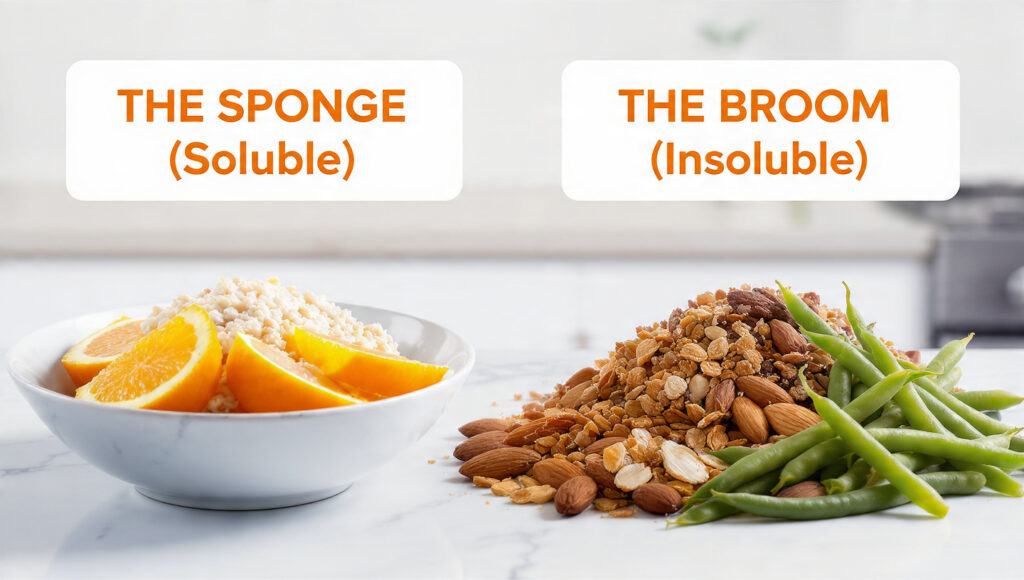
Second, insoluble fiber promotes the movement of material through your digestive system. You can find it in whole wheat flour, wheat bran, nuts, beans, and vegetables such as cauliflower. This type of fiber acts like a “broom” that sweeps your insides clean.
Why Fiber for Gut Health Is Essential
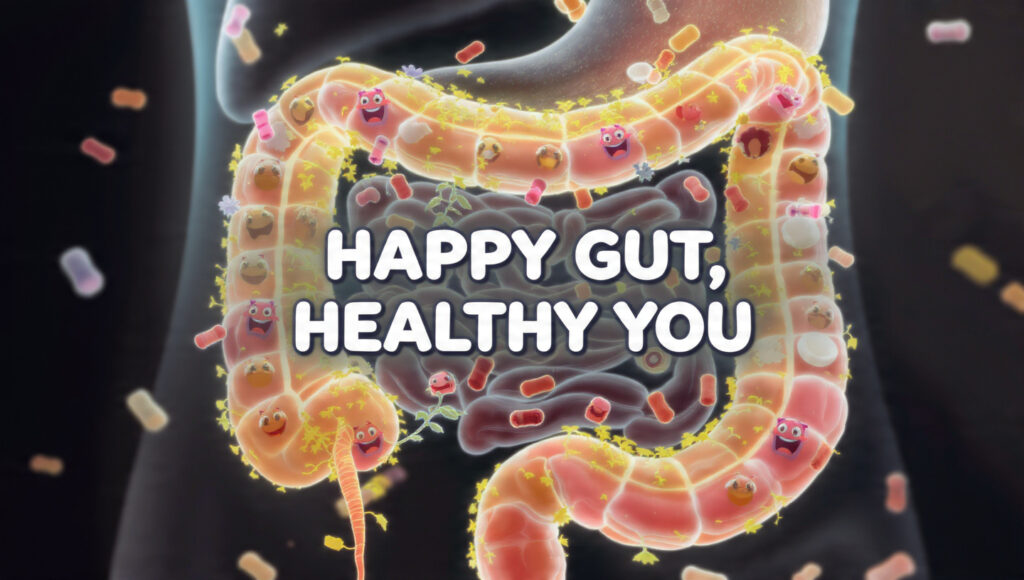
Now, let’s talk about the main benefits. Why is fiber for gut health so often recommended by doctors? The answer lies in how it interacts with your digestive system.
1. It Keeps You Regular
Constipation is a common problem. It is often caused by a lack of fiber. When fiber is eaten, stool becomes softer and bulkier. Consequently, it is easier to pass. If you have loose stools, fiber can help there too, because it absorbs water and adds bulk. Therefore, for a happy tummy, fiber is key.
2. It Feeds Your “Good” Bacteria
Your gut is home to trillions of bacteria. This is known as the gut microbiome. The “good” bacteria need food to survive. Fiber acts as a prebiotic. This means it feeds the good bacteria in your intestine. When these bacteria are well-fed, your immune system becomes stronger. According to health experts at the Mayo Clinic, a healthy gut biome is linked to lower inflammation in the body.
Beyond the Gut: Other Amazing Benefits
While fiber for gut health is our main topic, the benefits don’t stop at your stomach. Fiber is a multitasker. It helps your entire body in surprising ways.
Weight Management Made Easier
Are you trying to maintain a healthy weight? Fiber can be your best friend. High-fiber foods tend to be more filling than low-fiber foods. As a result, you eat less and stay satisfied longer. For example, a bowl of oatmeal keeps you full longer than a sugary donut. Because fiber takes longer to chew and digest, your brain is given more time to realize that you are full.
Stabilizing Blood Sugar Levels
For those concerned about diabetes, fiber is very important. Soluble fiber can slow the absorption of sugar. This helps improve blood sugar levels. A healthy diet that includes insoluble fiber may also reduce the risk of developing type 2 diabetes.
How to Get More Fiber for Gut Health
You might be thinking, “Okay, I need more fiber, but how do I get it?” It is easier than you think. You don’t need expensive supplements. Real food is always better.
Simple Swaps for a High-Fiber Diet
- Breakfast: Choose a whole-grain cereal or oatmeal instead of sugary flakes. Add some berries on top.
- Lunch: Swap white bread for whole-wheat bread. Add a side salad with lots of veggies.
- Snack: Instead of chips, grab a handful of almonds or an apple. Fruits are packed with fiber for gut health.
- Dinner: Add beans or lentils to your soups and stews.
Don’t Rush It!
Here is an important tip. If you are not used to eating fiber, do not add too much too quickly. It should be added gradually. If you increase your intake too fast, you might feel gas or bloating. Also, drink plenty of water. Fiber works best when it absorbs water. Without enough water, fiber can actually cause constipation.
The Problem with Juicing
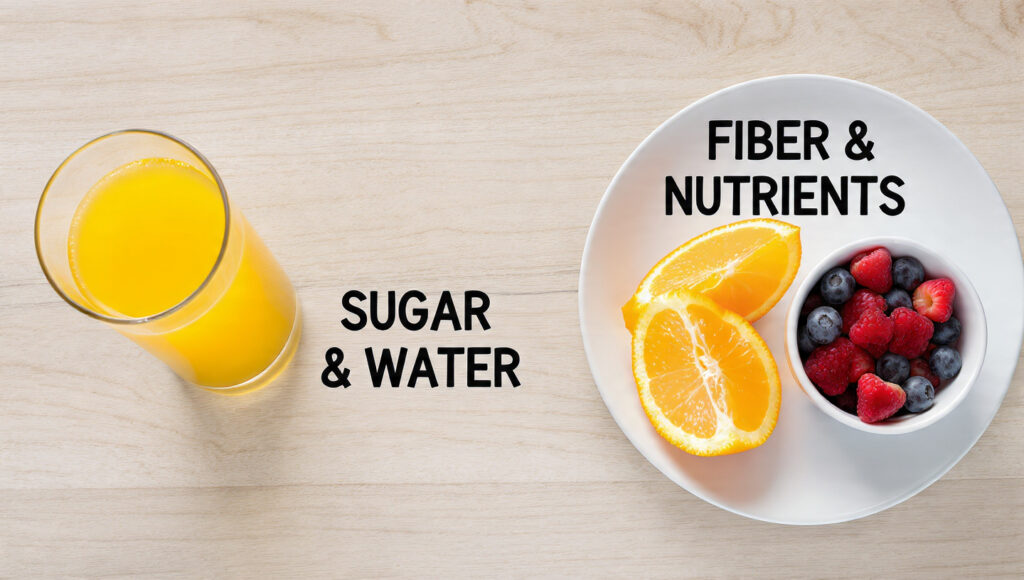
Let’s go back to the juice issue. When fruit is juiced, the liquid is separated from the pulp. The pulp contains the fiber. Therefore, you are drinking the sugar and water, but throwing away the best part.
For instance, a whole orange has plenty of fiber. A glass of orange juice has almost none. By eating the whole fruit, you get the sweetness plus the fiber for gut health. It is a complete package. Nature designed fruit to be eaten, not just squeezed.
According to Harvard Health, focusing on whole foods is far superior to drinking your calories.
In conclusion, your body has a natural cleaning system. It doesn’t need a fancy juice cleanse. It needs fiber. By prioritizing fiber for gut health, you are supporting your digestion, your weight, and your overall well-being.
So, the next time a detox juice tempts you, remember the broom. Reach for an apple, a bowl of oats, or a plate of veggies instead. Your gut will thank you for it. Start adding a little more roughage to your plate today, and enjoy a lighter, healthier you.
FAQ: Fiber for gut health
1. How much fiber do I need every day?
Generally, women should aim for about 21 to 25 grams of fiber a day, while men should aim for 30 to 38 grams. However, many people eat much less than this.
2. Can I take fiber supplements instead of food?
Supplements can help, but whole foods generally work better. Whole foods provide vitamins, minerals, and other nutrients that supplements do not. A varied diet offers the best source of fiber for gut health.
3. Will eating fiber make me bloated?
It can, especially if you increase your intake too suddenly. It is recommended to add fiber slowly over a few weeks. Additionally, drinking water is essential for preventing bloating.
4. Is fiber good for kids, too?
Yes, absolutely! Children need fiber for digestion just like adults do. Fruits, vegetables, and whole grains are great sources for kids.
5. Does cooking vegetables destroy the fiber?
Cooking can break down fiber slightly, making it softer, but it does not destroy it. Cooked vegetables remain an excellent source of fiber for maintaining gut health.
Related Article
7 Causes of Non-Drinkers’ Liver Disease You Must Know
4 Common Liver Diseases in India & How to Prevent
New Research Reveals How Intermittent Fasting for Fatty Liver Works
Herbal Supplements Liver Risk: Myths, Facts, and Medical Advice
Women’s Liver Failure Symptoms That Need Urgent Care