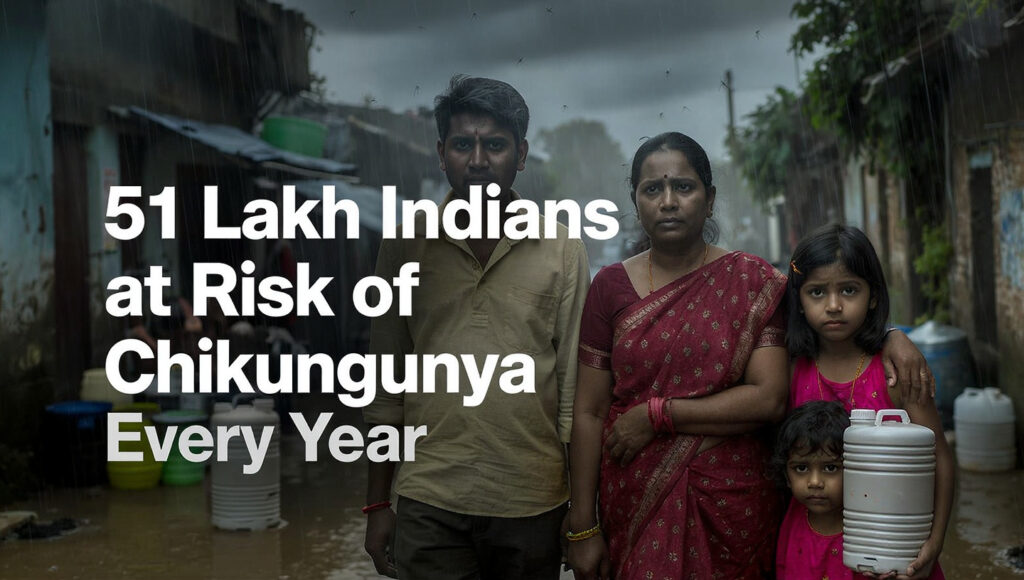
Family facing chikungunya risk in india during monsoon
A new study reveals 51 lakh people face chikungunya risk in India yearly. Discover causes, symptoms, and how to stay protected during monsoon season.
Chikungunya Risk in India: 51 Lakh Affected Yearly
Every year, millions of people in India fall sick because of mosquito-borne diseases. One such illness is Chikungunya. Recently, a major study has found that around 51 lakh (5.1 million) Indians are at risk of Chikungunya every year. That’s a huge number!
But don’t worry—this blog will explain everything in simple words. You’ll learn what Chikungunya is, why the Chikungunya risk in India is so high, and how you can protect yourself and your family.
What Is Chikungunya?
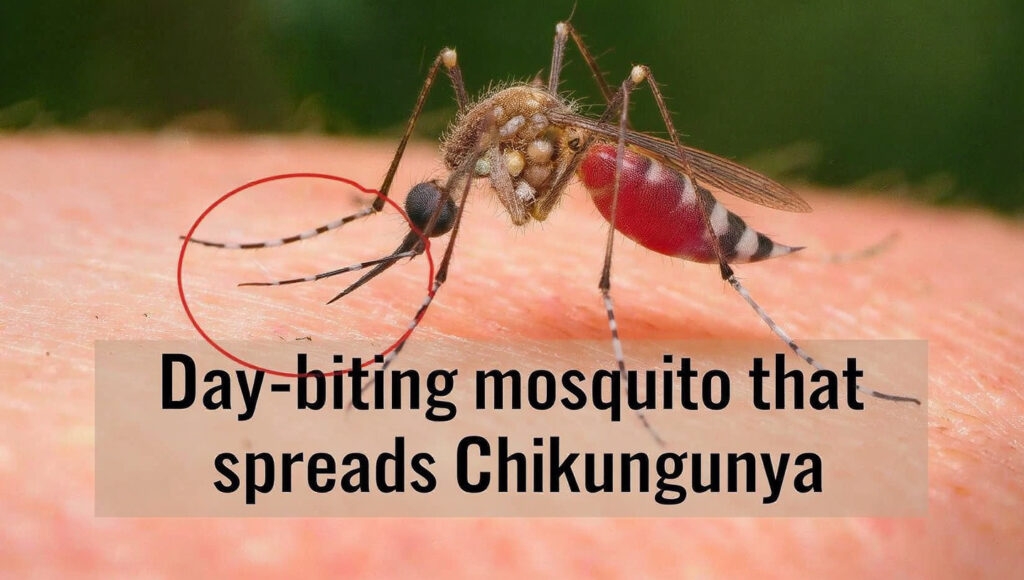
Chikungunya is a viral disease spread by mosquitoes—mainly the Aedes aegypti and Aedes albopictus types. These mosquitoes bite mostly during the day, especially in the early morning and late afternoon.
When a mosquito bites someone who already has the virus, it picks up the virus. Then, when it bites another person, the virus is passed on. Therefore, the disease spreads rapidly in areas with high mosquito populations and inadequate water management.
Symptoms usually appear 3–7 days after being bitten. Common signs include:
- High fever
- Severe joint pain (especially in hands and feet)
- Muscle pain
- Headache
- Rash
Most people recover in a week or two. However, joint pain can last for months—or even years—in some cases.
Why Is the Chikungunya Risk in India So High?
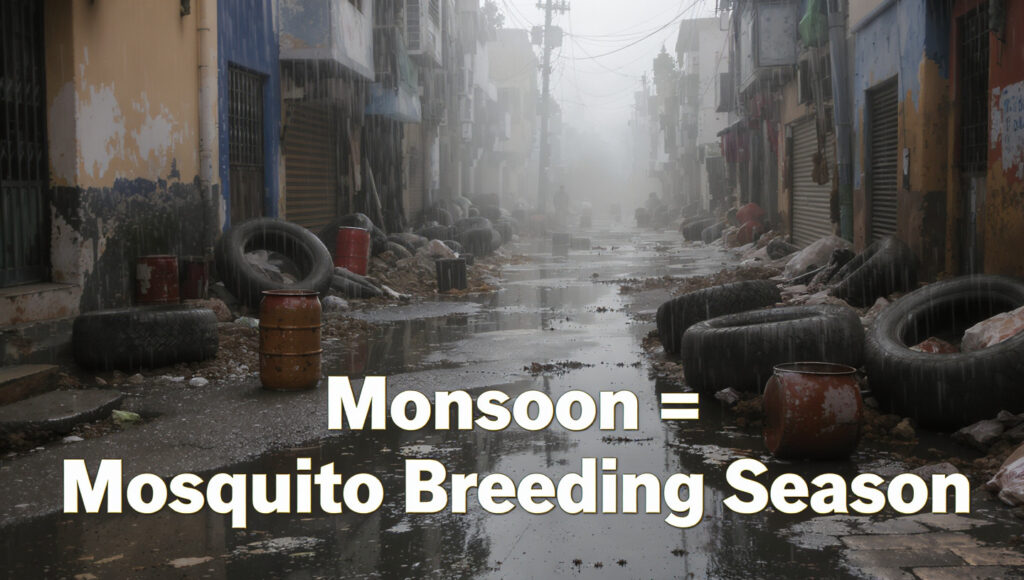
India’s climate and living conditions make it a perfect place for mosquitoes to breed. Here’s why the Chikungunya risk in India remains high:
1. Monsoon Season = Mosquito Party
During the monsoon (June to September), water collects in open containers, old tires, and construction sites. These become ideal breeding spots for mosquitoes. Because of this, cases of Chikungunya spike every year during and after the rains.
2. Urban Crowding
In big cities like Delhi, Mumbai, and Bengaluru, many people live close together. Water storage practices (like keeping water in open tanks) and poor waste management create more mosquito-friendly zones.
3. Lack of Awareness
Many people still don’t know how Chikungunya spreads. They may not take simple steps like covering water containers or using mosquito nets. As a result, the virus keeps spreading.
According to a study published in The Lancet, India accounts for a large share of global Chikungunya cases. The study estimates that 51 lakh Indians are exposed to the virus each year—and many cases go unreported.
How Is Chikungunya Diagnosed and Treated?
There is no specific medicine to cure Chikungunya. However, the illness can be managed with rest, fluids, and pain relief.
If you suspect Chikungunya, a blood test can confirm it. Tests like RT-PCR or IgM antibody tests are commonly used.
It’s important to note that no vaccine is currently available for Chikungunya in India. That’s why prevention is your best defense.
You can learn more about diagnosis and care from the World Health Organization’s Chikungunya page.
Reducing Chikungunya Risk in India: Simple Steps That Work

The good news? You can lower your Chikungunya risk in India with a few easy habits:
Keep Your Surroundings Clean
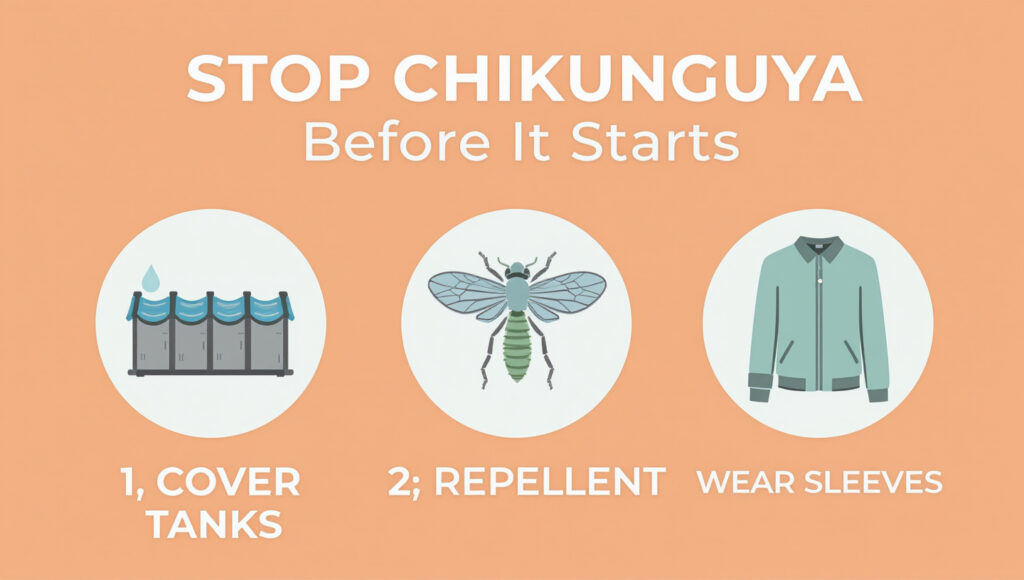
- Empty, clean, or cover all water containers weekly.
- Throw away unused items like bottles, tires, or coconut shells where water can collect.
- Clean gutters and drains regularly.
Protect Yourself from Bites
- Wear full-sleeve clothes and long pants during the day.
- Use mosquito repellent on exposed skin.
- Install window screens or use bed nets—even during daytime naps.
Community Action Matters
Chikungunya doesn’t spread from person to person—it needs mosquitoes. So, if your whole neighborhood works together to stop mosquito breeding, the Chikungunya risk in India can drop fast.
Local governments also play a role. Fogging and awareness campaigns help, but they work best when citizens join in.
What’s Being Done Nationally?
The Indian government has included Chikungunya in its Integrated Disease Surveillance Programme (IDSP). This means cases are tracked across states to control outbreaks faster.
Still, more needs to be done. Better urban planning, cleaner water storage, and public education can make a big difference.
For updated guidelines, check the National Vector Borne Disease Control Programme (NVBDCP).
Final Thoughts
The Chikungunya risk in India is real—but not unbeatable. With awareness and small daily actions, we can protect ourselves and our communities. Remember, prevention is always better (and easier!) than treatment.
So next time it rains, don’t just grab an umbrella—check your balcony for stagnant water too!
FAQ: Chikungunya Risk in India
Q1: Can Chikungunya spread from person to person?
No. Chikungunya only spreads through infected mosquito bites—not by touching or talking to someone who is sick.
Q2: Is Chikungunya deadly?
Most cases are not life-threatening. However, older adults or people with other health issues may face complications.
Q3: How is Chikungunya different from Dengue?
Both are spread by the same mosquitoes and cause fever. But Chikungunya causes more severe joint pain, while Dengue can lead to bleeding and low platelet counts.
Q4: Can I get Chikungunya more than once?
Usually, no. Once infected, your body builds immunity. But it’s still wise to avoid mosquito bites.
Q5: What should I do if I think I have Chikungunya?
Rest, drink plenty of fluids, and visit a doctor. Avoid taking aspirin—it can increase bleeding risk.
Stay safe, stay informed, and help reduce the Chikungunya risk in India—one clean corner at a time!
Read Article: What Are Nightmare Bacteria? Symptoms to Watch For






xq302s