
best iron-rich indian foods thali with palak, dal, jaggery, ragi roti for energy
Discover the best iron-rich Indian foods like spinach, lentils & jaggery to fight anemia naturally. Perfect for Indian & global diets. Boost your iron today!
Hello, Energy Seekers! Let’s Talk About Iron
Hey there!
Feeling tired all the time?
Or maybe you look a little pale?
Getting breathless climbing stairs?
You’re not alone.
Lots of people — in India and the USA — feel this way too.
Here’s the good news:
It might just mean your body needs more iron.
Think of iron as your body’s tiny energy hero.
It helps you feel strong, awake, and healthy.
So if you’re feeling low,
the best iron-rich Indian foods can help — naturally.
This guide?
Made simple — even a 10th grader will get it.
We’ll cover:
Why iron matters,
Which Indian foods are packed with it?
And how to help your body absorb it better.
Ready?
Let’s beat that tiredness — starting today!
Why Iron is Your Body’s Tiny Superhero
First off, let’s talk about why iron is so important.
You see, iron is a key part of hemoglobin — a protein in your red blood cells.
And what does hemoglobin do?
It acts like a super-fast oxygen delivery service — carrying oxygen from your lungs to every corner of your body.
When you have enough iron,
your muscles move better,
Your brain thinks clearly,
And your heart beats stronger.
But here’s the catch:
If iron runs low,
This whole system slows down.
Less oxygen gets around,
so you start feeling tired, weak, or even dizzy.
That’s called anemia.
You might also notice pale skin or a racing heartbeat.
So, getting enough iron isn’t just about feeling peppy —
It’s about keeping your whole body running like a well-oiled machine.
That’s exactly why eating the best iron-rich Indian foods is such a smart — and tasty — move!
Read more: https://www.nin.res.in/
How Much Iron Do You Actually Need? (India & USA)
Okay, so iron matters — but how much do you actually need?
Well, it depends.
Your age, gender, and whether you’re pregnant all change the number.
For example:
Adult men usually need just 8–9 mg a day.
But women? They need more — around 15–18 mg — because they lose iron during periods.
And if you’re pregnant?
You might need up to 27 mg or more to help your baby grow strong.
In India, numbers may vary slightly,
but the rule stays the same: women need more iron than men.
Kids and teens?
They need good amounts too — since their bodies are growing fast.
Now, here’s the best part:
You don’t have to count every milligram!
Just add the best iron-rich Indian foods to your daily meals —
like dal, palak, or jaggery —
And your body will thank you.
It’s not about math…
It’s about eating a colorful, tasty, and balanced plate!
Read more: https://ods.od.nih.gov/factsheets/Iron-HealthProfessional
Meet the Champions: Top 5 Best Iron-Rich Indian Foods
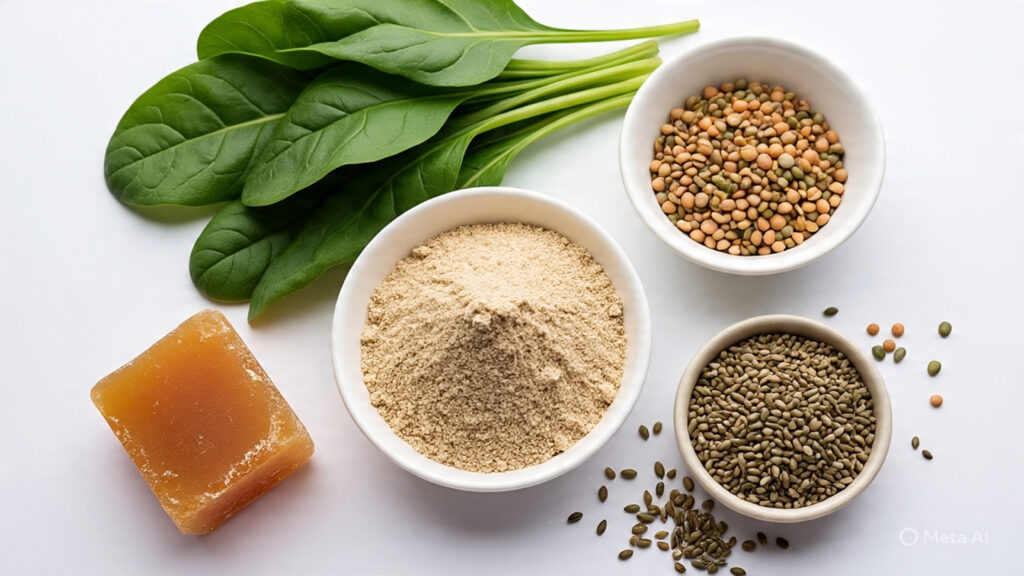
Alright, let’s get to the fun part! Who are the real champions when it comes to the best iron-rich Indian foods? These are the everyday heroes you can find in almost any Indian kitchen. They’re delicious, affordable, and packed with goodness.
1. Spinach (Palak): The Green Powerhouse
First up, spinach, or as we call it, Palak. This green leafy veggie is famous for a reason! A 100-gram serving gives you about 2.7 mg of iron . It’s also loaded with folate and vitamin A, making it a true superfood . You can eat it in so many ways – sautéed, in curries, or even blended into a smoothie. Dishes like Palak Paneer or simple sautéed spinach are fantastic choices. It’s often called one of the most iron-rich vegetables in the world . So, next time you see spinach at the market, grab a bunch!
Read Article: Spinach Iron Content: Boost Your Indian Diet Now
2. Lentils (Dal): The Protein-Packed Wonder
Next, we have lentils, also known as Dal. This is a staple in Indian homes for good reason. Lentils are not just full of protein; they’re also a great source of iron . Whether it’s masoor dal, moong dal, or chana dal, they all bring iron to your plate. A cup of cooked chickpeas, which are a type of legume, offers around 4.7 mg of iron . They’re perfect for vegetarians looking to increase their iron intake. Plus, they’re super filling and delicious. A simple bowl of dal with rice or roti is comfort food and health food rolled into one.
Read Article: Lentils for Iron? How Vegetarian India Stays Strong
3. Jaggery (Gur): The Sweet Iron Fix
Who knew a sweet treat could be so good for you? Jaggery, or Gur, is unrefined cane sugar. It’s not just sweet; it’s also a traditional source of iron. Instead of white sugar, try using jaggery in your tea, desserts, or even in savory dishes. It adds a lovely, deep flavor and gives you a little iron boost. It’s a tasty way to help fight anemia naturally. Many people swear by a small piece of jaggery after meals for good health.
4. Millets (Ragi, Bajra): The Ancient Grains
Let’s welcome the ancient grains back to our plates! Millets like Ragi (finger millet) and Bajra are incredibly rich in iron . Ragi, in particular, is often recommended for kids and pregnant women because it’s so nutritious . You can use millet flour to make rotis, dosas, or even porridge for breakfast. They’re gluten-free, high in fiber, and a fantastic way to add the best iron-rich Indian foods to your diet, especially if you’re looking for modern, healthy options .
5. Seeds & Nuts: The Tiny Powerhouses
Don’t underestimate the little guys! Seeds and nuts are packed with iron. Think sesame seeds (til), pumpkin seeds, sunflower seeds, and almonds. Just a small handful can give you a good dose of iron and healthy fats. You can sprinkle them on your salads, yogurt, or even mix them into your dough for rotis. Black sesame seeds, or Kala Til, are especially noted as an iron-rich food . They’re a crunchy, tasty way to boost your iron levels.
How to Make Your Body Absorb More Iron (The Secret Tricks!)
Okay, so you’re eating these amazing, iron-rich Indian foods. That’s awesome! But remember how we discussed that non-heme iron is not absorbed as easily? Here’s the good news: you can help your body absorb way more of it with a few simple tricks. These are like secret codes to unlock the iron power!
Trick #1: Pair with Vitamin C (Your Iron’s Best Friend)

This is the golden rule! Vitamin C is like a magic key that unlocks iron absorption. When you eat iron-rich foods with something high in vitamin C, your body can absorb up to three times more iron. So, what are some easy vitamin C buddies? Think lemons, oranges, tomatoes, bell peppers, amla (Indian gooseberry), and even broccoli. Squeeze some lemon juice over your dal or spinach. Have an orange or a glass of amla juice with your meal. Add tomatoes to your lentil curry. It’s that simple! Pairing spinach with vitamin C-rich foods is a very effective way to boost iron absorption .
Trick #2: Avoid Tea & Coffee Right After Meals
Here’s a common mistake. Many of us love a cup of tea or coffee after a meal. But the tannins and polyphenols in tea and coffee can block the absorption of non-heme iron. So, try to avoid drinking tea or coffee for at least an hour before or after your main meals. You can still enjoy your chai or coffee, just maybe have it as a mid-morning or afternoon snack instead. This small change can make a big difference in how much iron your body actually gets.
Trick #3: Cook in an Iron Kadai (The Traditional Boost)
This is a cool, old-school trick! Cooking your food in a traditional iron kadai (wok) can actually increase the iron content of your food. The longer the food cooks, especially if it’s something acidic like a tomato-based curry, the more iron it can absorb from the kadai. It’s a natural, easy way to give your meals an extra iron boost. So, dust off that iron kadai if you have one, or consider getting one. It’s not just for cooking; it’s for your health!
Yummy Recipes: Turn Best Iron-Rich Indian Foods into Meals
Now, let’s turn all this knowledge into delicious action! Knowing which foods are good is great, but eating them in tasty meals is even better. Here are some simple, classic Indian recipes that are packed with iron.
Recipe 1: Easy Dal Palak (Lentils with Spinach)

This is a match made in heaven! Dal Palak combines two iron champions – lentils and spinach . It’s a traditional, delicious, and protein-rich dish. Here’s a super simple way to make it:
- Cook 1 cup of moong dal or masoor dal until soft.
- In another pan, sauté chopped onions, garlic, and ginger in a little oil.
- Add chopped tomatoes and cook until soft.
- Stir in a big bunch of washed and chopped spinach. Cook until wilted.
- Mix the cooked dal with the spinach mixture. Add salt, turmeric, and a pinch of cumin.
- Simmer for 10 minutes. Finish with a squeeze of fresh lemon juice (hello, vitamin C!) . Serve hot with rice or roti. It’s comfort food that loves you back!
Recipe 2: Ragi Roti (Finger Millet Flatbread)
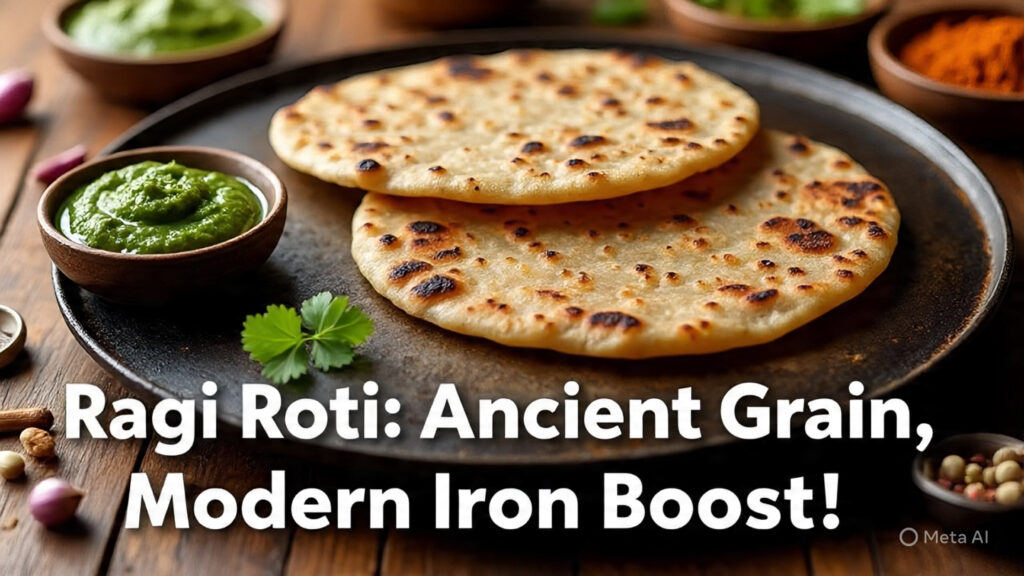
Ragi is a superstar for iron. Making Ragi Roti is easy and so satisfying.
- Mix 1 cup of ragi flour with a little hot water, salt, and finely chopped onions or greens (like methi or spinach for extra iron!).
- Knead into a soft dough.
- Roll out small rotis (they might be a bit sticky, so use a plastic sheet or wet your hands).
- Cook on a hot tawa (griddle) until both sides are done.
- Serve hot with a dollop of ghee or with your favorite chutney. You can even pair it with a vitamin C-rich tomato chutney!
Recipe 3: Jaggery and Peanut Chikki (Energy Bar)
Need a sweet, iron-rich snack? Make some chikki!
- Heat 1/2 cup of jaggery with 2 tablespoons of water until it melts into a syrup.
- Quickly mix in 1 cup of roasted peanuts (peanuts also have iron!).
- Pour onto a greased plate and flatten with a rolling pin.
- Let it cool, then break it into pieces. It’s a perfect, natural energy booster for school, work, or a hike.
Iron-Rich Indian Breakfasts to Start Your Day Right
They say breakfast is the most important meal of the day. So, why not make it iron-rich too? Starting your day with the best iron-rich Indian foods can give you lasting energy. Here are some awesome ideas:
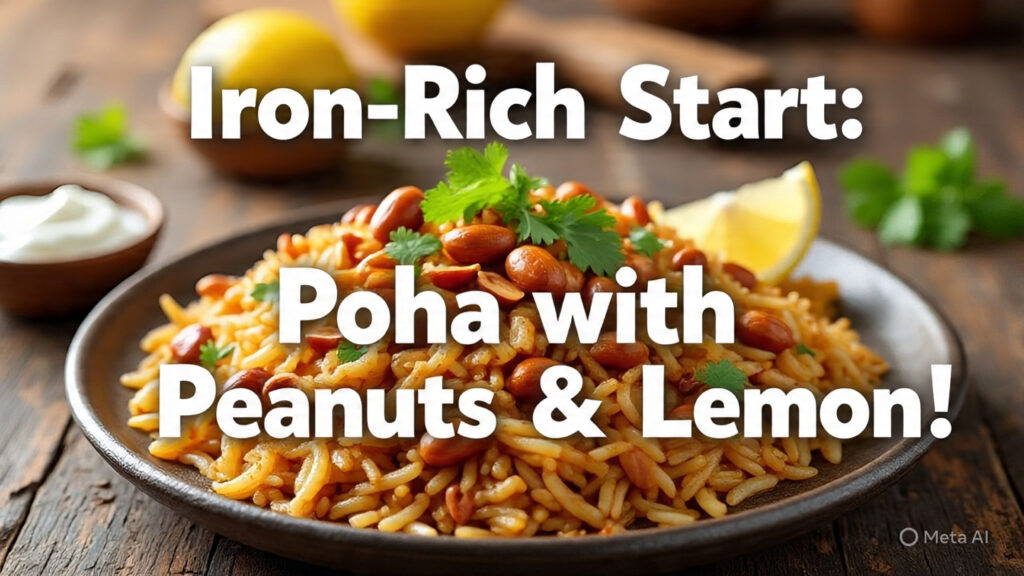
- Poha with Peanuts and Veggies: Poha (flattened rice) is easy to digest and rich in iron. Sauté it with onions, mustard seeds, curry leaves, peas, carrots, and peanuts. Top with fresh coriander and a squeeze of lemon. Easy and energizing!
- Ragi Rava Upma: Use ragi rava (semolina) instead of regular rava for your upma. Cook it with veggies like carrots, beans, and tomatoes. The tomatoes add vitamin C to help absorb the iron from the ragi.
- Sprouted Moong and Methi Paratha: Make your paratha dough with whole wheat flour and add finely chopped sprouted moong and methi (fenugreek leaves). Both sprouts and methi are good sources of iron. Cook on a tawa and serve with yogurt.
- Amaranth (Rajgira) Roti: Use amaranth flour to make rotis. They’re gluten-free and packed with iron. Enjoy them with a side of mint chutney.
These breakfasts are quick to make and will keep you powered up all morning long.
Snacks & Sweets: Iron-Rich Bites for Anytime
Feeling peckish between meals? Don’t reach for just anything! Choose snacks that are part of the best iron-rich Indian foods club. They’ll satisfy your hunger and boost your iron.
- Roasted Chana (Chickpeas): A cup of cooked chickpeas offers around 4.7 mg of iron . Roast them with a little salt and spices for a crunchy, protein-packed snack. Perfect for munching while studying or watching TV.

- Dates and Nuts: Dates are naturally sweet and a good source of iron. Pair them with a few almonds or walnuts for a balanced, energy-boosting snack. You can even stuff dates with nuts for a fancy treat.
- Poha Cutlets: Leftover poha? Make cutlets! Mix cooked poha with mashed potatoes, peas, and spices. Shape into patties and shallow fry. They’re delicious and iron-rich.
- Sesame (Til) Ladoo: Make ladoos with jaggery and sesame seeds. Both ingredients are iron-rich. They’re sweet, satisfying, and perfect for a quick energy boost.
These snacks are way better than chips or cookies. They taste great and do great things for your body!
Special Focus: Best Iron-Rich Indian Foods for Moms-to-Be & Kids
Some people need extra special care when it comes to iron. Pregnant women and growing kids are at the top of that list. Their bodies are working overtime, so they need more fuel.
For Pregnant Women
During pregnancy, your iron needs shoot up to help your baby grow and to support your increased blood volume. Including the best iron-rich Indian foods is crucial. Think lean red meat, poultry, and fish if you eat them, as they provide heme iron . For vegetarians, focus on lentils, chickpeas, and beans. Garden cress seeds (halim) are also a traditional iron booster for pregnant women . Pair everything with vitamin C-rich foods like pomegranate and dates to improve absorption . Dishes like methi mutton curry, egg curry, or mixed dal sambhar are excellent choices. Always talk to your doctor about your iron levels and if you need supplements.
For Growing Kids
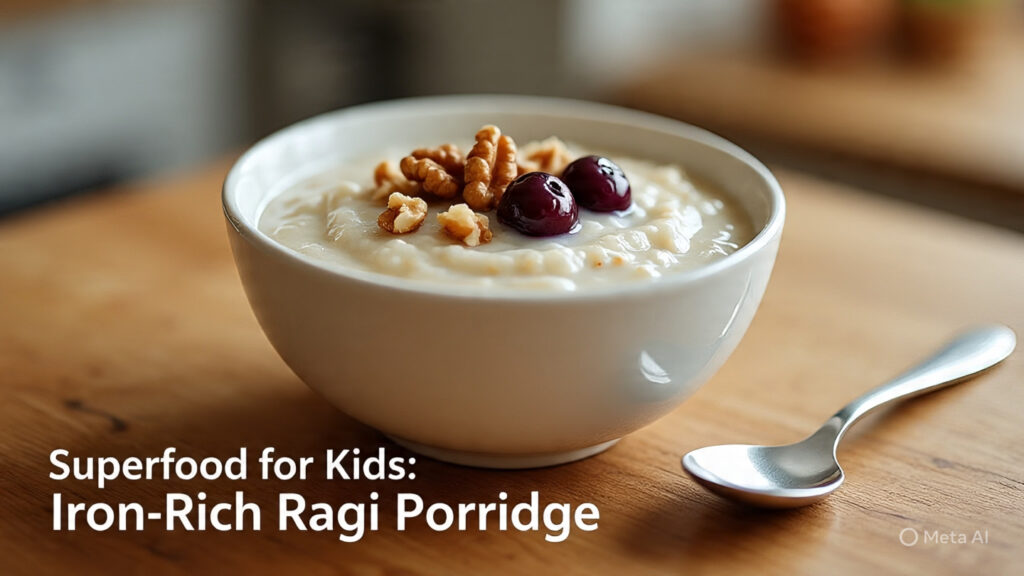
Kids need iron for their brains and bodies to develop properly. Finger millet (ragi) is often called a superfood for children because it’s rich in iron and calcium . Palak (spinach) and jaggery are also great for kids. You can make ragi porridge, palak parathas, or even jaggery-sweetened treats. Rajma (kidney beans) and amla (Indian gooseberry) are other kid-friendly iron sources . Make meals fun and colorful to encourage them to eat these healthy foods. A simple rajma curry with rice or an amla juice can be big helpers.
Busting Myths: What You Think You Know About Iron

There are a lot of myths floating around about iron and food. Let’s bust some of them right now so you don’t get confused!
- Myth 1: “If you’re a vegetarian, you can’t get enough iron.” This is totally false! You absolutely can meet your iron needs on a vegetarian diet . You just need to eat a variety of the best iron-rich Indian foods like lentils, spinach, millets, and nuts, and use the absorption tricks we talked about (like adding vitamin C).
- Myth 2: “Spinach has more iron than meat.” This is a popular myth, but it’s not quite true. While spinach is a great source of iron, the iron in meat (heme iron) is absorbed much better by your body than the iron in spinach (non-heme iron) . So, meat generally provides more usable iron, but spinach is still a fantastic choice, especially when paired with vitamin C.
- Myth 3: “Drinking tea with meals is fine.” Nope! As we learned, tea can block iron absorption . It’s best to avoid it during or right after meals if you’re trying to boost your iron levels.
- Myth 4: “Only women get anemic.” While women are more prone to anemia due to menstruation, men and children can also become anemic if they don’t get enough iron or have other health issues.
Knowing the facts helps you make the best choices for your health!
Frequently Asked Questions (FAQs)
Got questions? We’ve got answers! Here are some common ones about the best iron-rich Indian foods.
Q1: I’m a vegetarian. Can I really get enough iron?
Absolutely, yes! Many of the best iron-rich Indian foods are plant-based, like lentils, spinach, millets, and nuts . Just remember to pair them with vitamin C-rich foods (like lemon, tomatoes, amla) to help your body absorb the iron better . It’s totally doable and delicious!
Q2: How long does it take to feel better after eating more iron-rich foods?
It depends on how low your iron levels were. You might start feeling a bit more energetic within a few weeks. But it can take several months of consistently eating well to fully build up your iron stores. Be patient and keep eating those healthy foods!
Q3: Are iron supplements better than food?
Not necessarily. Getting iron from food is always the best first step because food provides other nutrients, too. Supplements are usually recommended by doctors if your levels are very low or if you can’t get enough from diet alone. Never start supplements without talking to a doctor first.
Q4: Can kids eat these iron-rich foods?
Yes, definitely! Foods like ragi, palak, dal, and jaggery are excellent for kids. You can make them fun – like ragi porridge, palak parathas, or sweet treats with jaggery. Just make sure the food is prepared in a way that’s easy for them to eat.
Q5: Is cooking in an iron kadai really effective?
Yes, it is! Cooking acidic foods like tomato curry in an iron kadai can increase the iron content of your meal. It’s a simple, traditional method that works. Just make sure to season your kadai properly to keep it in good condition.
Q6: What’s the easiest change I can make today?
Start by adding a squeeze of lemon juice to your dal or sabzi! It’s super easy, adds great flavor, and the vitamin C helps your body absorb the iron from your food. Small change, big impact!
Wrapping It Up: Your Journey to More Energy Starts Now!
So, there you go — your simple, no-stress guide to the best iron-rich Indian foods!
We’ve talked about why iron matters, how much you need, and which foods are real heroes.
Plus, we shared smart tricks to help your body absorb more iron —
like adding lemon, or even cooking in an iron kadai.
Feeling tired or weak?
It might just be your body whispering, “Hey, I need more iron!”
Good news?
You don’t need a big change.
Just add more spinach, lentils, jaggery, millets, or seeds to your meals.
Start small:
Try one new recipe this week.
Or swap your afternoon tea for orange juice at lunch.
Your body?
It’ll thank you — with more energy, brighter skin, and a happier you.
You’ve totally got this.
Go ahead — make the best iron-rich Indian foods your new daily habit.
Your inner energy superhero?
It’s ready to jump into action. Let’s go!
If you found these tips helpful, share this article with friends and family. For more science-backed health insights, explore our latest blogs on Nowspress.
Related Articles:
Spinach Iron Content: Boost Your Indian Diet Now
Lentils for Iron? How Vegetarian India Stays Strong
Jaggery Iron Benefits You Need to Know
Millets High Iron Indian Grains for Better Health
Best Iron Rich Foods in Pregnancy to Eat Daily




Thank you for your sharing. I am worried that I lack creative ideas. It is your article that makes me full of hope. Thank you. But, I have a question, can you help me?
Can you be more specific about the content of your article? After reading it, I still have some doubts. Hope you can help me. https://accounts.binance.com/uk-UA/register-person?ref=XZNNWTW7