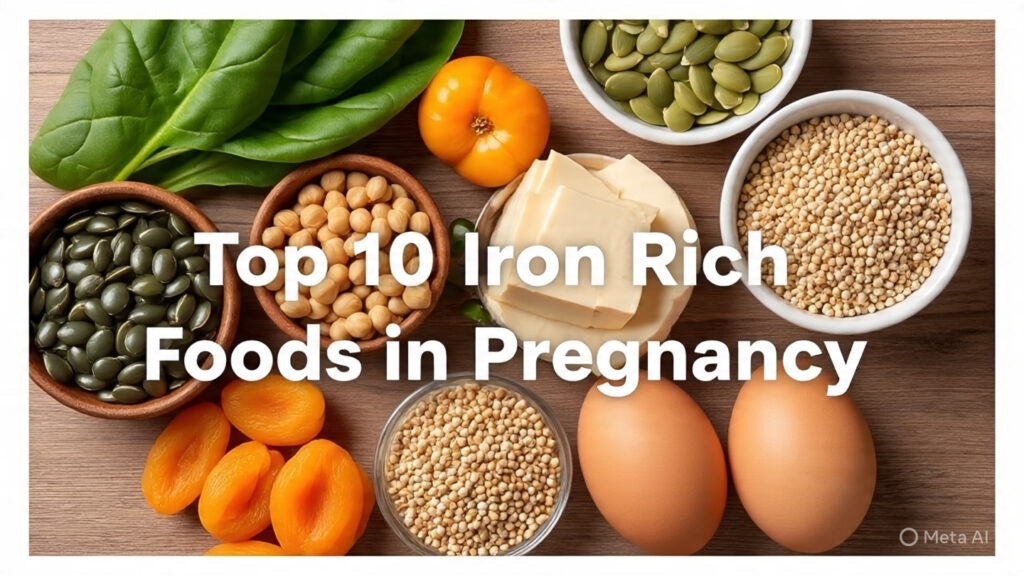
Top 10 iron rich foods in pregnancy arranged on a kitchen counter
Discover the best iron rich foods in pregnancy to support your health and your baby’s development—tasty, safe, and easy to eat.
Top 10 Iron Rich Foods in Pregnancy for a Healthy Mom & Baby
Pregnancy is a beautiful journey—but it also comes with extra needs. One of the most important nutrients you’ll need more of is iron. Why? Iron helps make hemoglobin, a protein in red blood cells that carries oxygen to your body and your growing baby.
During pregnancy, your blood volume increases. So, more iron is needed to support this change. If you don’t get enough iron, you might feel very tired, dizzy, or even develop anemia. But don’t worry! The good news is that many delicious and easy-to-find foods are packed with iron.
In this blog, we’ll explore the top 10 iron-rich foods in pregnancy that you can add to your daily meals. Plus, we’ll share simple tips to help your body absorb more iron. Let’s get started!
Why Iron Rich Foods in Pregnancy Are So Important
Iron is not just important—it’s essential. Around 50% of pregnant women worldwide don’t get enough iron. When iron levels drop too low, it can lead to iron-deficiency anemia. This condition may cause preterm delivery or low birth weight.
On the other hand, when enough iron rich foods in pregnancy are eaten regularly, both mom and baby stay strong and healthy. Your baby’s brain also develops better with proper iron intake.
So, what should you eat? Here are the top 10 choices!
1. Spinach – A Leafy Green Powerhouse
Spinach is one of the best plant-based sources of iron. Just one cup of cooked spinach gives you about 6 mg of iron. Moreover, it’s full of folate and vitamin C, which help your body absorb iron better.
Try adding spinach to soups, smoothies, or omelets. It’s tasty and super easy to cook!
2. Lean Red Meat – A Heme Iron Hero
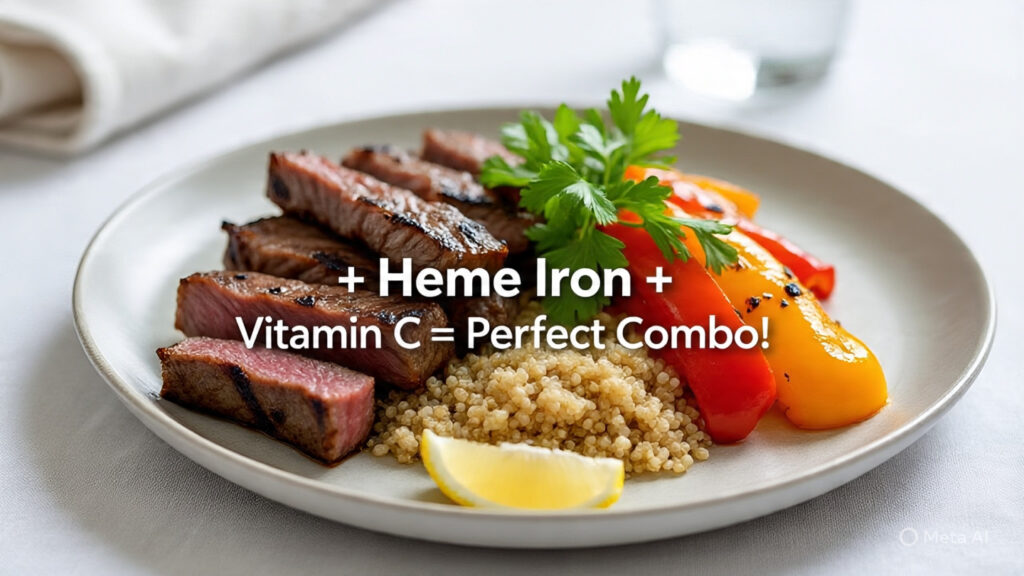
Lean beef, lamb, or pork contains “heme iron.” This type of iron is absorbed more easily by your body than plant-based iron. About 3 ounces of lean beef can give you 2–3 mg of iron.
However, always make sure the meat is well-cooked. Raw or undercooked meat can be risky during pregnancy.
3. Lentils – Tiny but Mighty
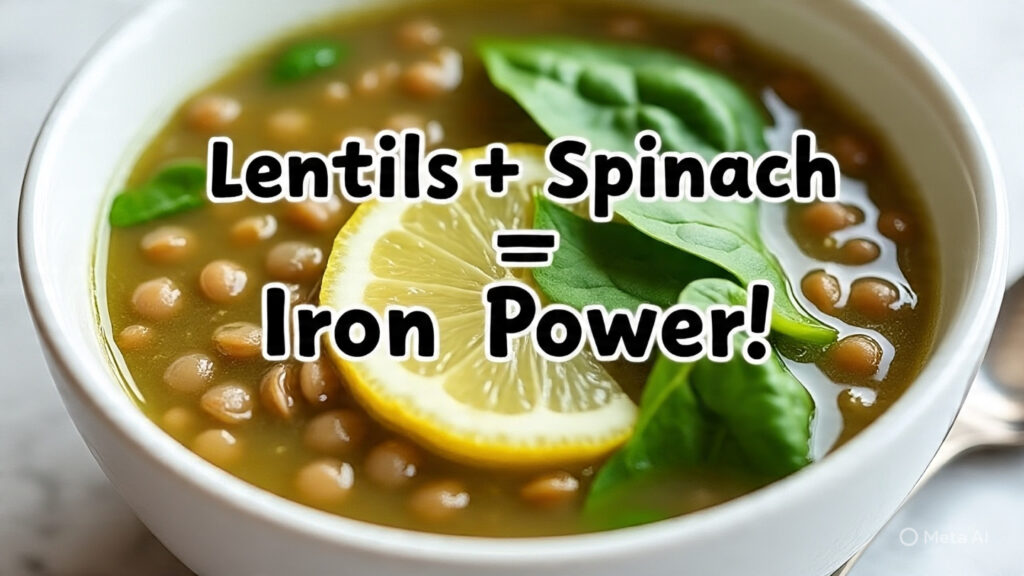
Lentils are a great source of iron rich foods in pregnancy, especially for vegetarians. One cup of cooked lentils offers around 6.6 mg of iron. They’re also high in protein and fiber, which help with digestion.
You can use lentils in soups, curries, or even salads. They’re cheap, healthy, and filling!
4. Pumpkin Seeds – A Crunchy Snack
Did you know that a small handful of pumpkin seeds has about 2.5 mg of iron? These tasty seeds are also rich in magnesium and zinc—two other important nutrients during pregnancy.
Keep a small container in your bag for a quick, healthy snack.
5. Tofu – A Vegetarian Favorite
Tofu is made from soybeans and is a fantastic source of iron. Half a cup of firm tofu gives you nearly 3.5 mg of iron. It’s also a good source of calcium and protein.
Tofu can be stir-fried, grilled, or added to soups. Its mild taste goes well with many dishes.
6. Fortified Breakfast Cereals – Start Your Day Right
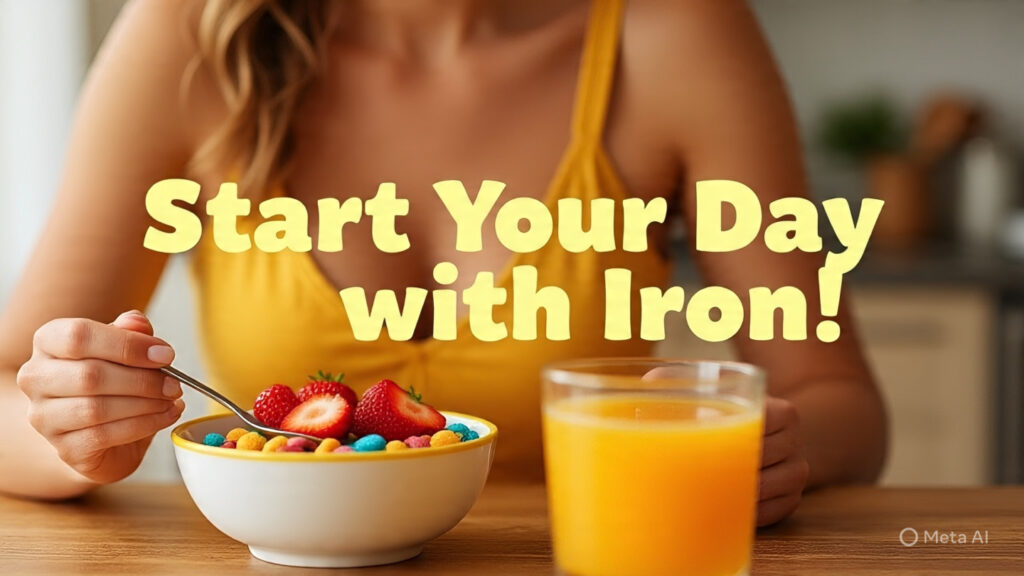
Many breakfast cereals are fortified with iron. In fact, some give you 100% of your daily iron needs in just one serving! Always check the nutrition label before buying.
Pair your cereal with orange juice. The vitamin C in the juice helps your body absorb the iron better.
7. Chickpeas – Versatile and Nutritious
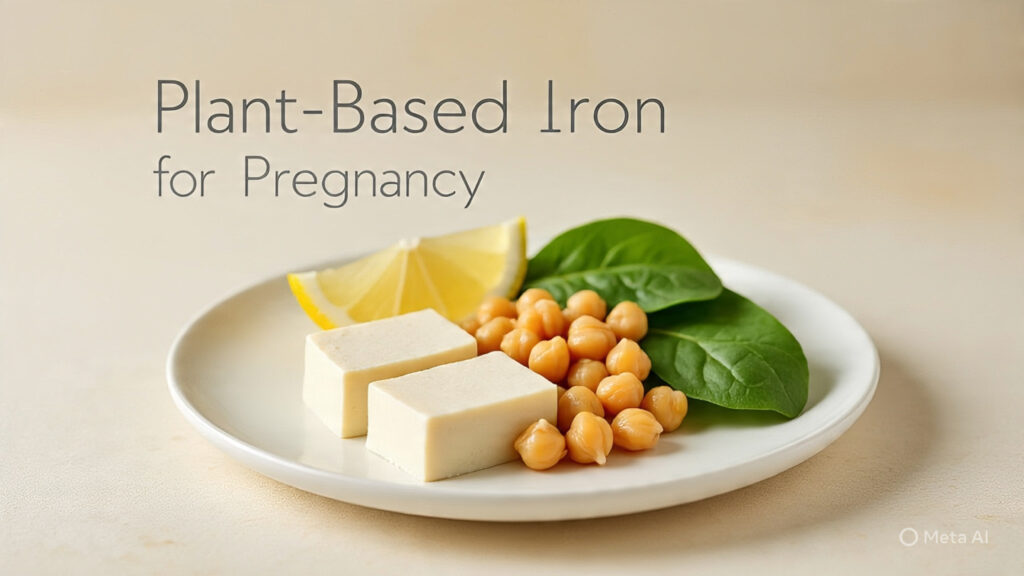
Chickpeas, also called garbanzo beans, are loaded with iron. One cup provides about 4.7 mg. They’re also high in folate, which is vital for your baby’s neural tube development.
You can roast them for a crunchy snack or blend them into hummus.
8. Dried Apricots – Sweet and Iron-Packed
Dried apricots are a natural and sweet way to get more iron. Half a cup gives you around 2 mg of iron. They also contain fiber, which helps prevent constipation—a common issue in pregnancy.
Just remember: dried fruits are high in sugar, so enjoy them in moderation.
9. Quinoa – The Complete Grain
Quinoa is not just a grain—it’s a complete protein and a good source of iron. One cup of cooked quinoa has about 2.8 mg of iron. It’s also gluten-free and easy to digest.
Use it as a rice substitute or add it to salads and soups.
10. Eggs – Simple and Nutritious
Eggs contain both iron and choline, which support your baby’s brain development. One large egg has about 1 mg of iron, mostly in the yolk.
Boiled, scrambled, or poached eggs are quick to prepare and very satisfying.
Tips to Boost Iron Absorption
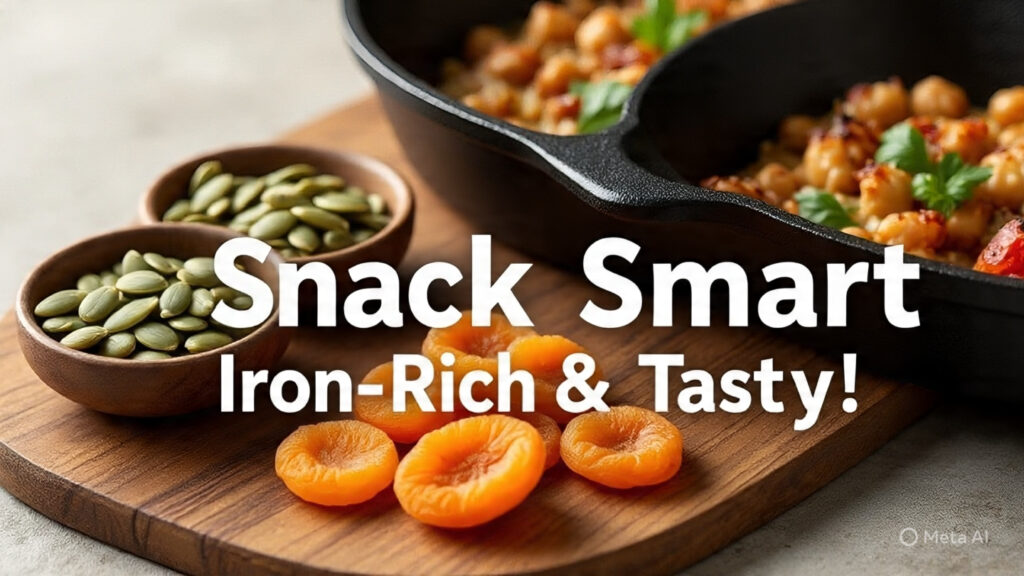
Now that you know the best iron-rich foods in pregnancy, here’s how to get the most out of them:
- Eat vitamin C-rich foods (like oranges, tomatoes, or bell peppers) with your meals. Vitamin C helps your body absorb iron better.
- Avoid tea or coffee with meals. These drinks contain compounds that block iron absorption.
- Cook in cast-iron pots. Believe it or not, this can add small amounts of iron to your food!
For more tips on healthy eating during pregnancy, check out this guide from the American Pregnancy Association .
FAQ: Iron-Rich Foods in Pregnancy
Q1: How much iron do I need during pregnancy?
A: Most pregnant women need about 27 mg of iron per day. This is nearly double the amount needed when not pregnant.
Q2: Can I get enough iron from food alone?
A: Yes, many women can meet their needs through diet. However, some may need supplements, especially if they have anemia. Always consult your doctor.
Q3: Are there any side effects of eating too much iron?
A: Yes. Too much iron can cause nausea, constipation, or stomach pain. That’s why it’s best to get iron from food first and use supplements only if advised.
Q4: Which iron-rich foods in pregnancy are best for vegetarians?
A: Lentils, spinach, tofu, chickpeas, quinoa, and fortified cereals are excellent choices for vegetarians. Pair them with vitamin C foods for better absorption.
Q5: When should I start focusing on iron-rich foods in pregnancy?
A: Right from the first trimester! Iron needs increase early in pregnancy, so it’s never too soon to start eating iron-rich meals.
For more trusted advice, you can also refer to the World Health Organization’s guidelines on nutrition in pregnancy
Disclaimer: This blog is for informational purposes only and is not a substitute for professional medical advice.
Related Articles:
Best Iron-Rich Indian Foods for Energy & Health
Spinach Iron Content: Boost Your Indian Diet Now
Lentils for Iron? How Vegetarian India Stays Strong
Jaggery Iron Benefits You Need to Know
Millets High Iron Indian Grains for Better Health




Your point of view caught my eye and was very interesting. Thanks. I have a question for you. https://www.binance.com/uk-UA/register?ref=XZNNWTW7
I don’t think the title of your article matches the content lol. Just kidding, mainly because I had some doubts after reading the article.