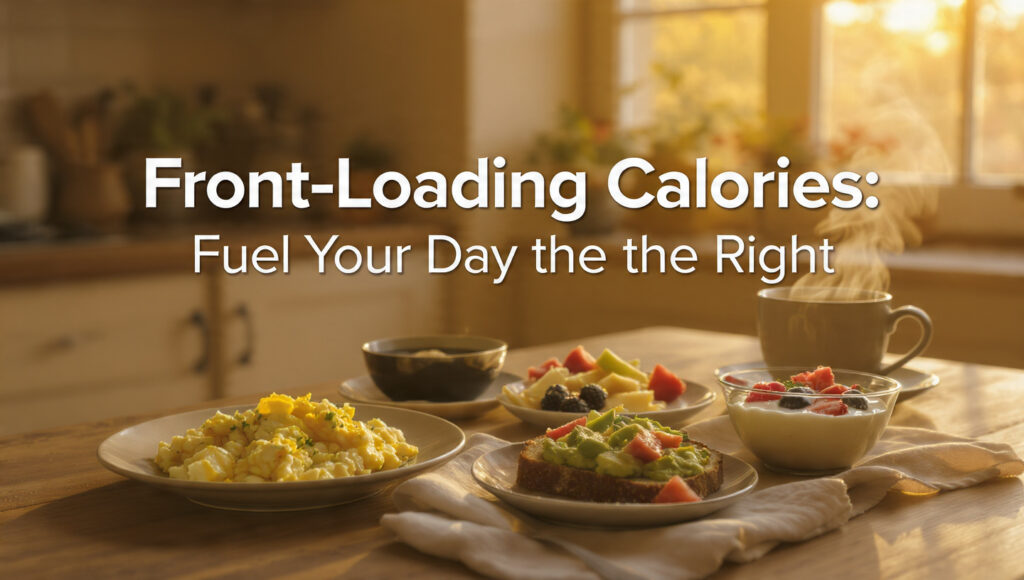
Front-loading calories with a nutrient-rich breakfast in morning sunlight
Front-loading calories can boost metabolism, improve energy, and support weight control. Learn how a nutritionist explains this smart eating approach.
Why Timing Your Meals Might Be the Secret to Better Health
Ever feel sharp and energized in the morning, only to drag through the evening after a big dinner? That sluggishness isn’t just in your head—it’s your body responding to when you eat, not just what you eat.
Enter front-loading calories: a simple yet powerful approach where the bulk of your daily energy intake is consumed earlier in the day. Think hearty breakfasts, satisfying lunches, and lighter dinners.
This pattern aligns with your body’s internal rhythm—and growing evidence suggests it offers real benefits for metabolism, energy, and long-term health.
Let’s explore how this strategy works, why nutrition experts support it, and how you can put it into practice—without feeling deprived.
What Exactly Is Front-Loading Calories?
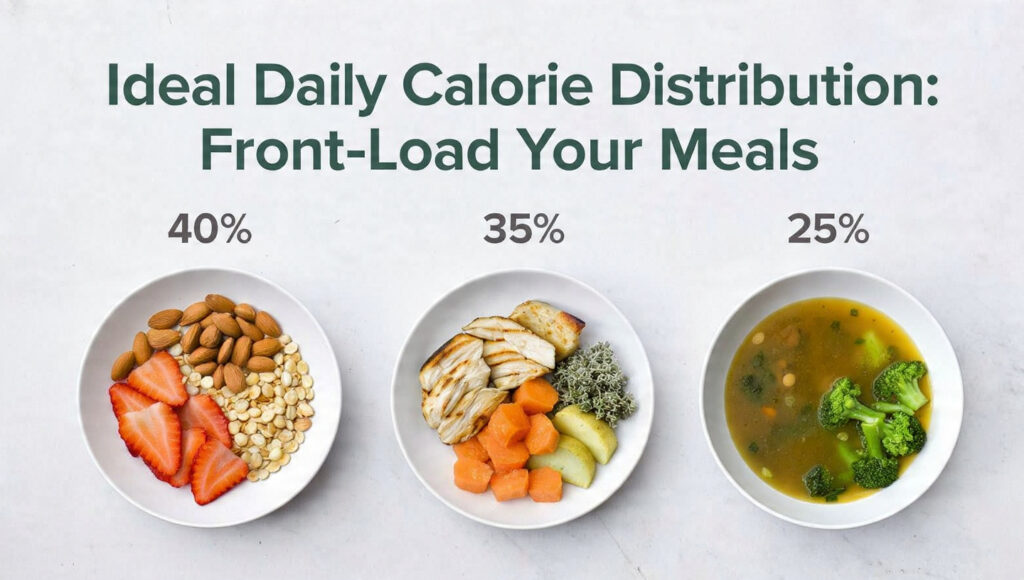
Front-loading calories means prioritizing your intake during daylight hours. Instead of skipping breakfast or grabbing a light lunch only to feast at night, you flip the script:
- Breakfast: 35–40% of daily calories
- Lunch: 30–35%
- Dinner: 20–25% (or less)
This isn’t about eating more overall—it’s about when you allocate those calories. By fueling your body when it’s most active, you help it use energy efficiently rather than store it.
Why Experts Favor Eating More Earlier in the Day
Nutrition professionals increasingly emphasize meal timing because it syncs with our circadian biology—the internal clock that governs digestion, hormone release, and metabolism.
During the day, your body is primed to process food. Insulin sensitivity is higher, digestive enzymes flow more freely, and your metabolic rate peaks.
At night, everything slows down in preparation for rest. A heavy dinner, therefore, is more likely to sit heavily—literally—leading to poor sleep, bloating, and potential fat storage.
How Front-Loading Calories Supports Metabolic Health

1. Boosts Daily Energy Expenditure
Calories consumed in the morning are more likely to be burned through activity—whether that’s commuting, working, or exercising. At night, with lower energy demands, excess calories are more readily converted to fat.
2. Stabilizes Blood Sugar
Large evening meals can cause glucose spikes followed by crashes—especially problematic for those managing insulin resistance or prediabetes. By front-loading, you promote steadier blood sugar levels and fewer cravings later in the day.
For more information on balanced eating patterns, trusted resources such as Harvard’s Healthy Eating Plate provide science-backed guidance.
Weight Management Made Easier
Multiple observational studies—such as those from the Adventist Health Study—show that individuals who eat larger meals earlier tend to have lower BMIs. Why?
- Better appetite regulation: A substantial breakfast reduces ghrelin (the “hunger hormone”) later in the day.
- Fewer late-night cravings: When you’re satisfied by mid-afternoon, you’re less likely to reach for chips or sweets after dinner.
- Longer overnight fasting: Ending meals earlier extends your nightly fast, which may support fat burning and cellular repair.
Sustained Energy & Sharper Focus
Front-loading isn’t just for weight loss—it’s for performance. Students, professionals, and creatives often report:
- Improved concentration in the morning
- Fewer mid-afternoon energy dips
- Better sleep (thanks to lighter digestion at night)
This happens because your brain and muscles receive fuel when they need it most—early, not late.
Easing Digestive Discomfort

Your gut follows a daily rhythm, too. Digestive secretions peak during the day and taper off at night. That’s why a large, rich dinner can lead to:
- Bloating
- Acid reflux
- Poor sleep quality
By keeping dinner modest and early, you give your digestive system a chance to rest—leading to smoother function and more restful nights. Learn more about digestive wellness from the National Institute of Diabetes and Digestive and Kidney Diseases.
Supporting Your Body’s Natural Hormone Cycle
Key hormones like cortisol (which peaks in the morning) and melatonin (which rises at night) dictate your energy and rest cycles. Eating in sync with these rhythms—more during daylight, less after dark—helps maintain hormonal balance.
Conversely, late-night eating can disrupt insulin release and suppress overnight fat oxidation. Over time, this misalignment may contribute to metabolic issues.
For deeper insights into how meal timing affects health, see this peer-reviewed review in the NCBI.
How to Start Front-Loading—Without Overhauling Your Life
Step 1: Make Breakfast Count
Don’t settle for a granola bar. Aim for a mix of:
- Protein (e.g., eggs, Greek yogurt, tofu)
- Fiber-rich carbs (oats, whole-grain toast)
- Healthy fats (avocado, nuts, seeds)
This combo keeps you full and focused until lunch.
Step 2: Don’t Skip or Skimp on Lunch
Lunch should be your second-largest meal. Include lean protein, colorful veggies, and complex carbs like quinoa or brown rice.
Step 3: Wind Down with a Light Dinner
Think soup, grilled fish with steamed greens, or a bean-and-vegetable stir-fry. Finish eating at least 2–3 hours before bed.
Common Pitfalls to Avoid
- Skipping breakfast “to save calories” → This backfires by slowing metabolism and increasing evening hunger.
- Front-loading junk food → A sugary muffin and soda don’t count! Quality matters as much as timing.
- Overeating at lunch out of guilt → Balance is key. You’re redistributing calories, not doubling them.
Who Benefits Most?
- People managing weight or blood sugar
- Shift workers adjusting to daytime eating
- Students or professionals needing mental clarity
- Anyone struggling with bloating or poor sleep
While generally safe, those with diabetes, eating disorders, or other health conditions should consult a registered dietitian before making big changes.
Is This Approach Backed by Science?
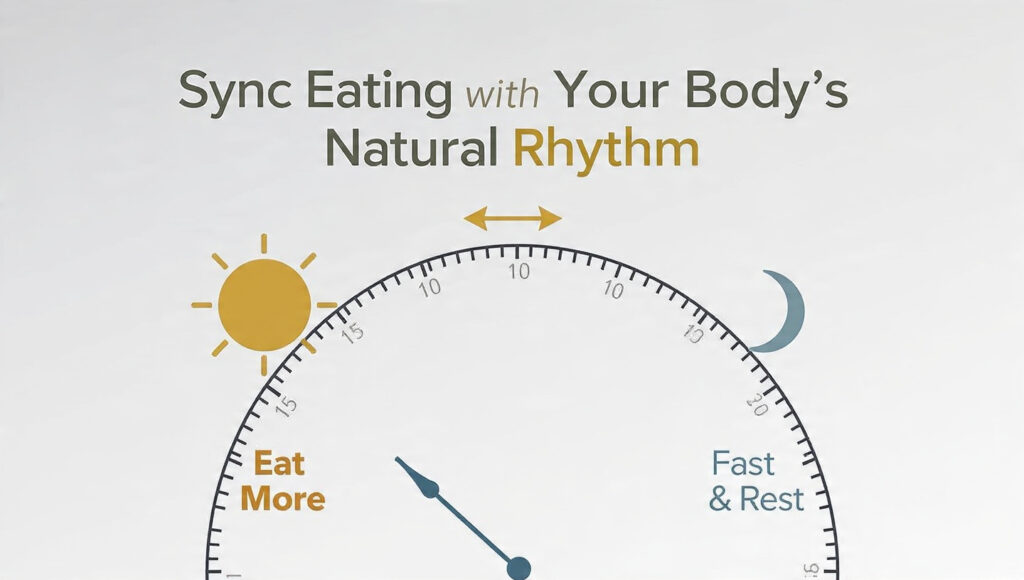
Absolutely. Research shows that meal timing influences circadian rhythms, gut health, inflammation, and metabolic markers—even when total calories stay the same. Studies on time-restricted eating and calorie distribution consistently point to benefits from consuming more energy earlier in the day.
That said, perfection isn’t required. Consistency and mindful eating matter more than rigid rules.
Final Takeaway: Work With Your Body, Not Against It
Front-loading calories isn’t a fad diet—it’s a return to eating in harmony with your biology. By giving your body fuel when it’s ready to use it, you support better energy, digestion, and long-term health.
Start small: boost your breakfast tomorrow. Notice how you feel by dinnertime. Over weeks, these shifts can lead to meaningful, sustainable results—without counting a single calorie.
Frequently Asked Questions: Front-Loading Calories
Q: What does “front-loading calories” actually mean?
A: It means consuming the majority of your daily calories in the morning and early afternoon, with lighter intake in the evening.
Q: Will this help me lose weight?
A: It can—by improving satiety, reducing nighttime snacking, and aligning eating with your metabolic peak.
Q: Do I have to skip dinner?
A: No! Just keep it light, balanced, and eaten early enough to allow digestion before bed.
Q: How soon will I notice changes?
A: Many feel more energized within days. Weight or metabolic improvements may take several weeks of consistent practice.
Q: Is this safe for everyone?
A: Most people can benefit, but always check with a healthcare provider if you have chronic health issues.
Remember: The best eating pattern is one that fits your life, nourishes your body, and feels sustainable. Front-loading calories might just be the gentle nudge your routine needs.
Read more
7 Causes of Non-Drinkers’ Liver Disease You Must Know
4 Common Liver Diseases in India & How to Prevent
New Research Reveals How Intermittent Fasting for Fatty Liver Works
Herbal Supplements Liver Risk: Myths, Facts, and Medical Advice
Women’s Liver Failure Symptoms That Need Urgent Care






2 thoughts on “Front-Loading Calories for Better Metabolism and Energy”