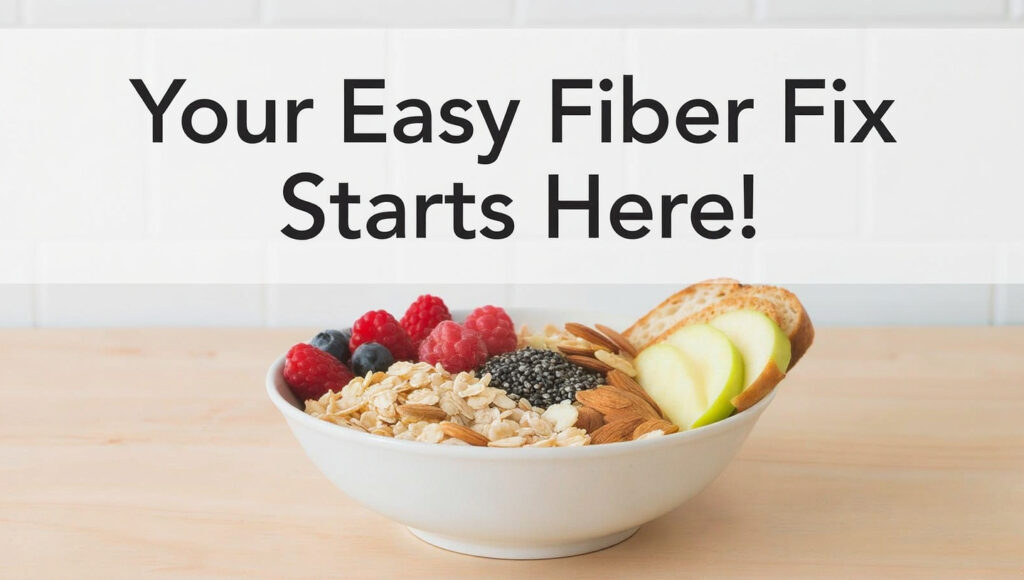
Easy fiber fix with healthy high-fiber foods on a kitchen counter
Get your daily dose of fiber with simple, tasty Fiber Fix tips that boost digestion, energy, and overall health—no stress, just real food!
Fiber Fix: Easy Ways to Hit Your Daily Target
Let’s talk about fiber. You’ve probably heard it’s good for you—but do you actually get enough? Most people don’t! The good news? With a few small changes, you can easily add more fiber to your meals. That’s where a Fiber Fix comes in.
In this blog, we’ll explore simple, tasty, and realistic ways to reach your daily fiber goal—without turning your kitchen upside down. Let’s get started!
Why You Need a Fiber Fix
Fiber is a type of carbohydrate your body can’t digest. But don’t worry—that’s actually a good thing! Because it passes through your system mostly unchanged, fiber helps keep your digestion smooth and steady.
According to the Mayo Clinic, adults should aim for 25 to 38 grams of fiber per day. Yet, most of us only get about half that amount.
When you don’t get enough fiber, you might feel bloated, sluggish, or even constipated. On the flip side, when you get enough, your energy stays steady, your gut feels happy, and you even manage your weight better. So yes—a Fiber Fix is worth your time!
Signs You Need a Fiber Fix
Are you wondering if you need more fiber? Here are a few common signs:
- You feel hungry soon after eating
- Your bathroom habits are irregular
- You often feel tired or foggy-headed
- Your meals lack fruits, veggies, or whole grains
If any of these sound familiar, a Fiber Fix could be just what your body needs.
Easy Fiber Fix Tips for Busy People
You don’t need fancy powders or expensive supplements. Real food is your best friend! Below are simple, everyday Fiber Fix ideas that fit into any schedule.
1. Start Your Day with a Fiber-Rich Breakfast
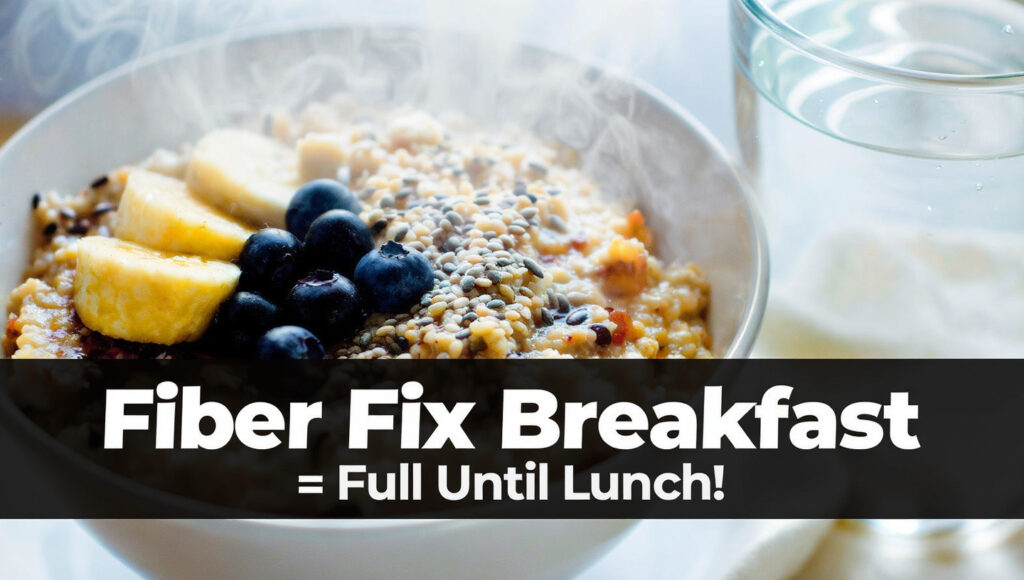
Breakfast sets the tone for your day. Instead of sugary cereals or plain toast, try these easy swaps:
- Choose oatmeal topped with berries and chia seeds
- Eat whole-grain toast with avocado or peanut butter
- Blend a smoothie with spinach, banana, and flaxseeds
These options are quick, tasty, and packed with fiber. Plus, they’ll keep you full until lunch!
2. Snack Smart with a Fiber Fix
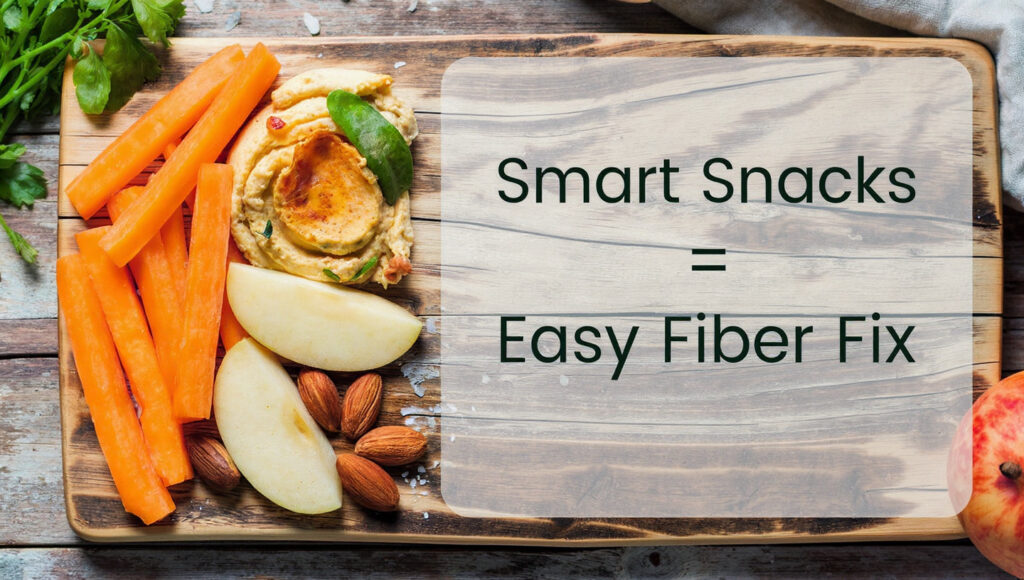
Snacking doesn’t have to mean chips or cookies. In fact, snacks can be your secret Fiber Fix weapon. Try:
- A small apple with almond butter
- A handful of almonds or walnuts
- Carrot sticks with hummus
- Air-popped popcorn (yes, it’s a whole grain!)
These snacks are not only high in fiber but also satisfying and nutrient-rich.
3. Make Every Meal a Fiber Fix Opportunity
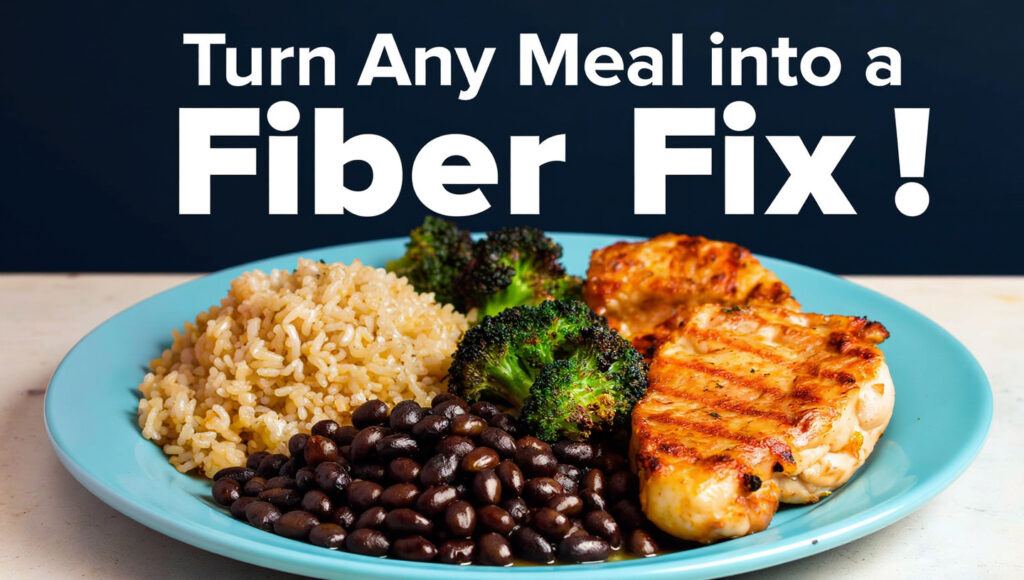
Fiber shouldn’t just come from one meal—it should be part of every plate. Here’s how:
- Add beans or lentils to soups, salads, and rice dishes
- Swap white rice for brown rice or quinoa
- Keep the skin on fruits and veggies when possible (like apples and potatoes)
- Choose whole-wheat pasta instead of regular pasta
Small changes like these add up fast. And the best part? You won’t even miss the old versions!
4. Drink Water—It’s Part of Your Fiber Fix

Fiber works best when you drink enough water. Without water, fiber can actually make you feel more bloated or constipated.
So, while you’re adding more fiber, also aim for 6–8 glasses of water daily. Your body will thank you!
Common Mistakes to Avoid with Your Fiber Fix
Even with good intentions, some people go wrong with their Fiber Fix. Watch out for these pitfalls:
- Adding too much too fast: Your gut needs time to adjust. Start slow—add 5 grams per day for a week, then increase.
- Ignoring variety: Different fibers feed different gut bacteria. Eat a rainbow of plant foods!
- Forgetting to read labels: “Multigrain” doesn’t always mean high-fiber. Look for “whole grain” as the first ingredient.
By avoiding these mistakes, your Fiber Fix will feel smooth and natural.
Delicious Fiber-Rich Recipes to Try This Week
Need inspiration? Try these easy recipes:
- Overnight oats: Mix oats, chia seeds, milk (or plant milk), and fruit. Refrigerate overnight.
- Lentil soup: Sauté onions, garlic, carrots, and celery. Add lentils, broth, and spices. Simmer for 30 minutes.
- Veggie stir-fry: Use brown rice, broccoli, bell peppers, snap peas, and tofu. Drizzle with soy sauce.
All of these are beginner-friendly and full of fiber. For more ideas, check out this guide from Harvard Health.
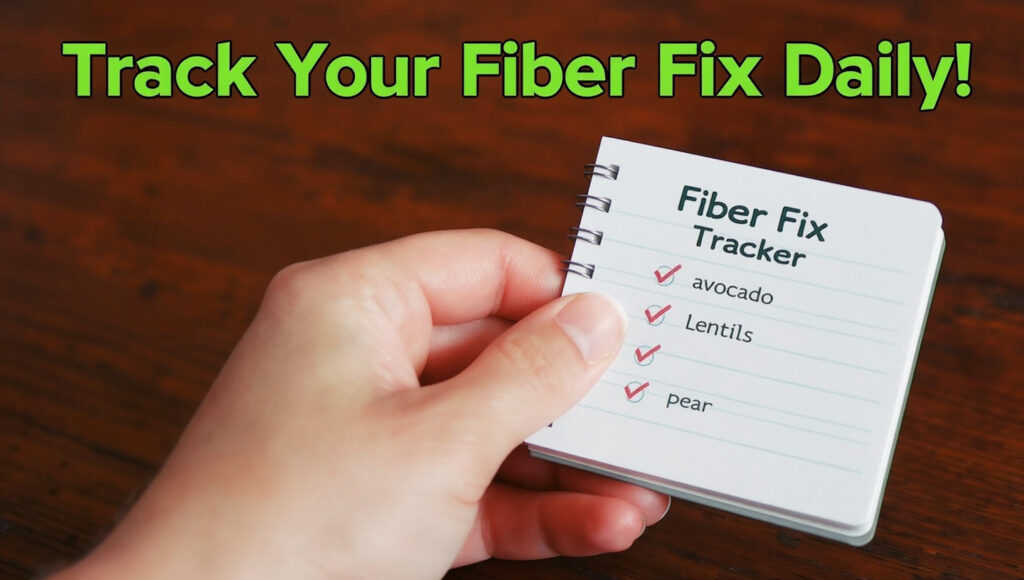
Track Your Progress with a Fiber Fix Journal
Want to stay on track? Keep a simple food journal for a week. Write down what you eat and estimate the fiber (most nutrition labels list it).
Apps like MyFitnessPal can also help. Seeing your progress makes it easier to stick with your Fiber Fix plan.
Final Thoughts
A Fiber Fix isn’t about perfection—it’s about progress. You don’t need to overhaul your diet overnight. Just add one high-fiber food at a time.
Soon, you’ll notice better digestion, more energy, and even clearer skin. And the best part? You’ll be feeding your gut the good stuff it craves.
Ready to give it a try? Your future self will be glad you did!
FAQ
Q: How much fiber do I really need each day?
A: Women should aim for 25 grams, and men for 38 grams. But even hitting 20–25 grams is a great start!
Q: Can I get too much fiber?
A: Yes, but it’s rare from food alone. Too much too fast can cause gas or bloating. Increase slowly and drink water.
Q: Are fiber supplements as good as real food?
A: Not really. Whole foods give you fiber plus vitamins, minerals, and antioxidants. Use supplements only if your doctor recommends them.
Q: What are the best high-fiber fruits?
A: Berries, pears, apples (with skin), bananas, and oranges are all great choices.
Q: Is white bread ever okay?
A: Occasionally, yes—but for your Fiber Fix, choose 100% whole wheat or whole grain bread instead.
For more science-backed tips, visit the CDC’s page on fiber.
Now that you know how easy a Fiber Fix can be, why wait? Start small, stay consistent, and enjoy the benefits of a happier, healthier gut!
Related Articles:
Best Iron-Rich Indian Foods for Energy & Health
Spinach Iron Content: Boost Your Indian Diet Now
Lentils for Iron? How Vegetarian India Stays Strong
Jaggery Iron Benefits You Need to Know
Millets High Iron Indian Grains for Better Health