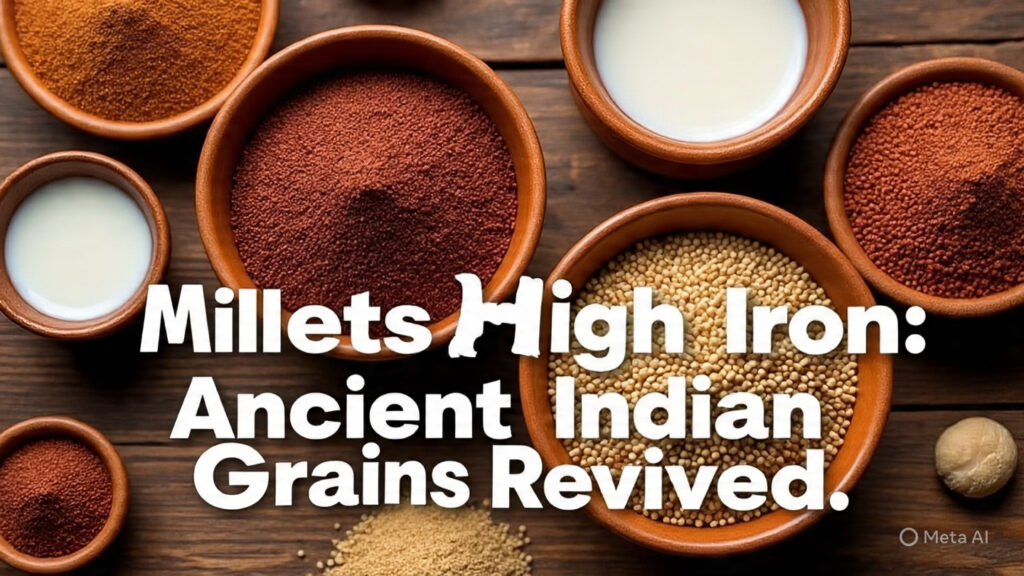
millets high iron indian grains in bowls with traditional Indian backdrop
Boost your iron intake with millets high iron Indian grains, nutritious, gluten-free, and perfect for modern Indian and global diets.
Millets High Iron: Ancient Indian Grains Making a Comeback
Have you ever heard your grandparents talk about eating ragi, jowar, or bajra every day? These aren’t just old-fashioned foods—they’re actually millets, high-iron Indian grains that are now being rediscovered for their amazing health benefits. And guess what? They’re not just for rural India anymore. From Mumbai to Manhattan, people are turning to these tiny powerhouses for better health.
So, why all the buzz about millets, high-iron Indian grains? Let’s break it down in simple terms.
Why Millets’ High Iron Indian Grains Matter Today
Iron is super important for our bodies. It helps carry oxygen in our blood. Without enough iron, we feel tired, weak, and even dizzy. Sadly, many people—especially women and children—don’t get enough iron in their diets.
But here’s some good news: millets, high-iron Indian grains, are natural, plant-based sources of this vital mineral. Unlike processed cereals, millets are whole grains. That means they keep all their nutrients intact. Plus, they’re gluten-free, making them safe for people with gluten sensitivities.
And the best part? They’ve been grown in India for over 5,000 years! So, when you eat millets, you’re not just eating healthy—you’re also connecting with India’s rich food heritage.
Top Millets High Iron Indian Grains You Should Know
Not all millets are the same. Some pack more iron than others. Here are the top millet high-iron Indian grains you can easily find in local stores or online:
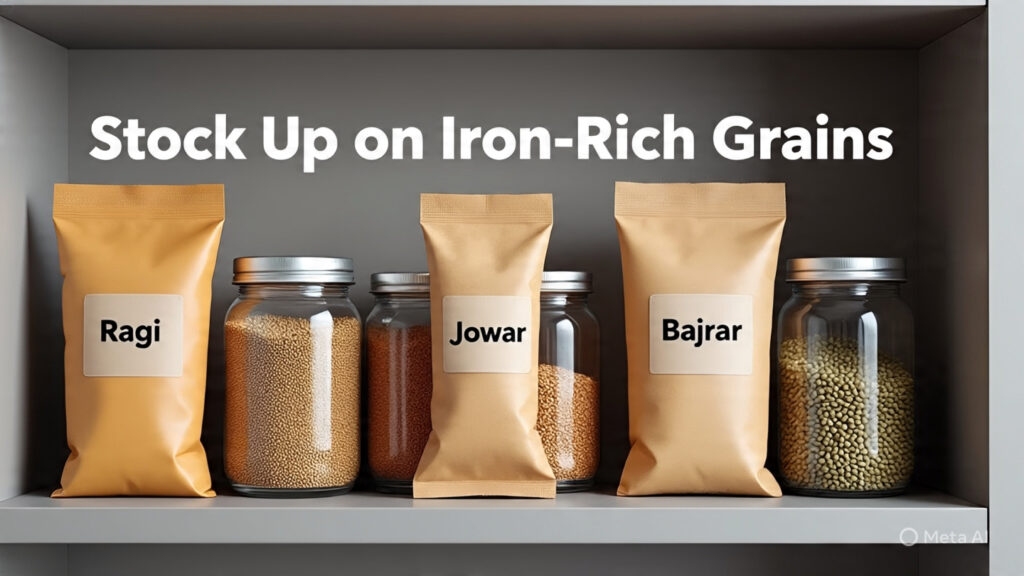
1. Ragi (Finger Millet) – The Iron Champion
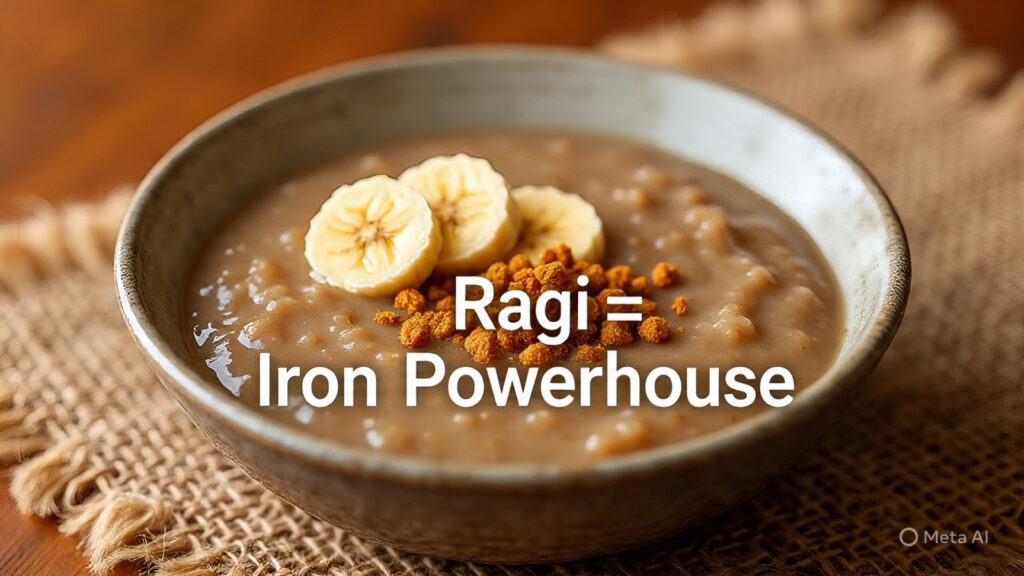
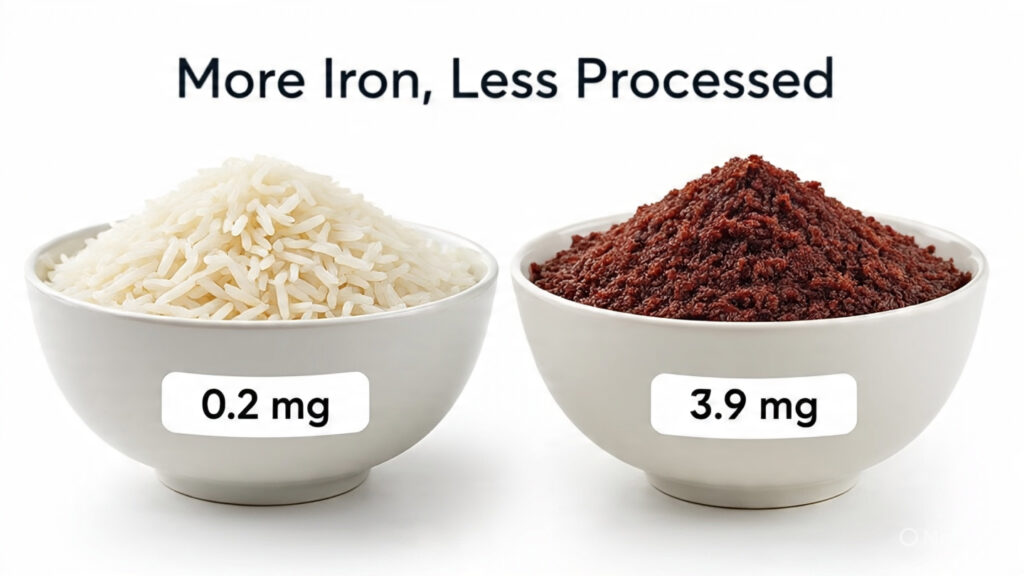
Ragi is often called the “iron king” among millets. Just 100 grams of ragi flour contains about 3.9 mg of iron. That’s nearly half the daily iron need for adult men!
It’s also rich in calcium, which is great for bones. In South India, ragi is used to make porridge, dosas, and even laddoos. Kids love it, and so should you!
2. Jowar (Sorghum) – The Heart-Healthy Choice
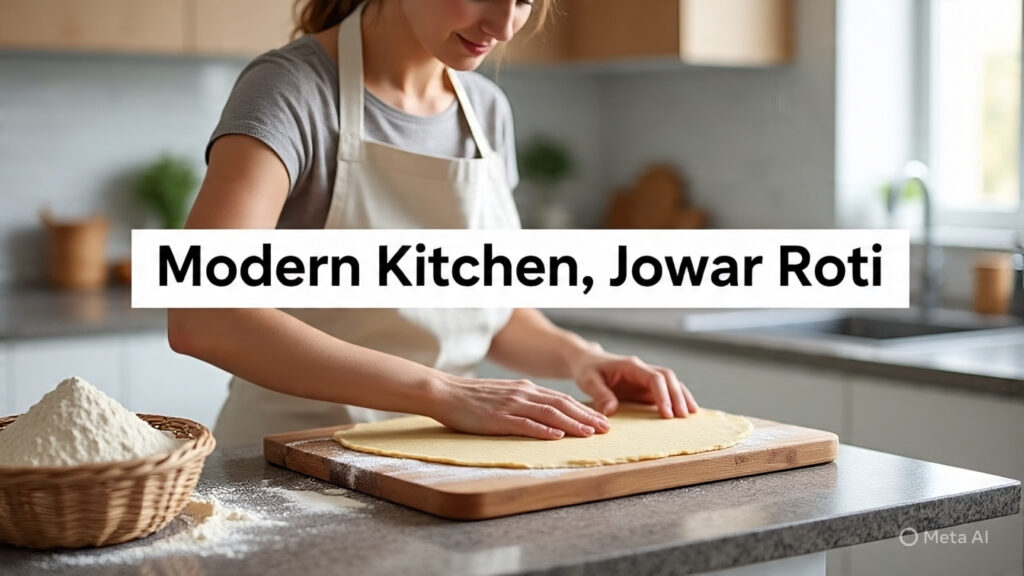
Jowar isn’t just tasty—it’s also a good source of iron (about 3.4 mg per 100g). It’s commonly used in rotis and bhakris, especially in Maharashtra and Karnataka.
Because it’s high in fiber and antioxidants, jowar supports heart health too. So, you get iron and heart protection in one grain!
3. Bajra (Pearl Millet) – Winter’s Warm Superfood

Bajra shines in the colder months. It’s loaded with iron (around 3.2 mg per 100g) and keeps you warm from the inside. In Rajasthan and Gujarat, bajra roti with ghee is a winter staple.
This grain is also rich in magnesium and zinc, which help your immune system stay strong.
How Millets High Iron Indian Grains Beat Modern Diets
Now, you might wonder: “Why not just eat spinach or red meat for iron?”
Well, you can—but millets offer more. They’re not just about iron. They’re packed with fiber, protein, B vitamins, and slow-digesting carbs. That means your blood sugar stays steady, and you feel full longer.
Also, unlike many modern processed foods, millets, high-iron Indian grains, are grown with less water and fewer chemicals. They’re eco-friendly and nutritious. According to the Food and Agriculture Organization (FAO) , millets are climate-smart crops that can feed the future.
Easy Ways to Add Millets High-Iron Indian Grains to Your Meals
You don’t need to cook like a chef to enjoy millets. Here are some simple ideas:
- Breakfast: Swap your regular oats with ragi porridge. Add jaggery and milk for sweetness.
- Lunch: Try jowar roti instead of wheat roti. It pairs well with dal and sabzi.
- Snacks: Bake bajra or ragi cookies. They’re crunchy, healthy, and kid-approved!
- Dinner: Make a millet khichdi with moong dal and veggies. It’s light and iron-rich.
Many brands in the USA, like Banyan Botanicals and Laxmi Mills , now sell ready-to-cook millet mixes. So, even if you live far from India, you can still enjoy these grains.
Are Millets High Iron Indian Grains Safe for Everyone?
Yes—but with a small note. Millets contain “anti-nutrients” like phytates, which can reduce iron absorption. However, this isn’t a big problem if you eat a balanced diet.
Soaking, fermenting, or sprouting millets can lower these anti-nutrients. For example, fermented ragi dosa is easier to digest and more nutritious than plain ragi flour.
Also, pairing millets with vitamin C-rich foods (like lemon, tomatoes, or oranges) boosts iron absorption. So, have a glass of orange juice with your bajra meal!
The Future of Millets, High Iron Indian Grains
In 2023, the United Nations declared it the International Year of Millets. That’s a big deal! It shows the world is finally recognizing what Indian grandmothers knew all along.
Governments in India are promoting millet farming again. Schools are adding millet meals to mid-day schemes. Even chefs in New York and London are creating millet-based dishes.
Clearly, millets, high-iron Indian grains, aren’t just a trend—they’re a return to smart, sustainable eating.
FAQ: Your Millets High Iron Questions Answered
Q1: How much iron do millets actually have?
A: It varies by type. Ragi has about 3.9 mg per 100g, jowar has 3.4 mg, and bajra has 3.2 mg. For comparison, white rice has only 0.2 mg!
Q2: Can millets replace wheat or rice completely?
A: You can mix them! Start by replacing one meal a day with millets. Over time, your body will adjust, and you’ll enjoy the taste.
Q3: Are millets good for weight loss?
A: Yes! Their high fiber keeps you full longer, which helps control hunger and supports healthy weight management.
Q4: Where can I buy millets in the USA?
A: Look for them in Indian grocery stores, health food shops like Whole Foods, or online on Amazon and specialty sites like Laxmi Mills.
Q5: Do millets cause bloating?
A: Some people may feel bloated at first because millets are high in fiber. Start with small portions and drink plenty of water.
Final Thought:
Millets high-iron Indian grains, are more than just food—they’re a bridge between tradition and modern wellness. Whether you’re in Delhi or Dallas, adding these grains to your plate is a smart, simple step toward better health. So, why not give ragi, jowar, or bajra a try this week? Your body—and your taste buds—will thank you!
Related Articles:
Best Iron-Rich Indian Foods for Energy & Health
Spinach Iron Content: Boost Your Indian Diet Now
Lentils for Iron? How Vegetarian India Stays Strong
Jaggery Iron Benefits You Need to Know
Best Iron Rich Foods in Pregnancy to Eat Daily





Your point of view caught my eye and was very interesting. Thanks. I have a question for you. https://www.binance.com/register?ref=IXBIAFVY