
Elderly couple staying active to manage health challenges after 60
Practical guide to common health challenges after 60 from heart risks to falls with proven tips, screenings, vaccines, and daily habits to stay independent.
A longer life is a gift. Yet, after 60, new aches, tests, and terms enter the chat. The good news? Many issues are predictable. Even better, most are manageable with simple steps and the right support. Below is a clear, link-filled guide to the health challenges after 60 and how to stay steady, strong, and independent.
Understanding the big picture
As we age, risks for chronic problems rise. Heart disease, diabetes, arthritis, dementia, vision and hearing loss, and lung disease become more common. Often, several conditions occur together. Therefore, prevention and early action matter more than ever. CDC, World Health Organization
Move first: the habit that changes everything
Regular activity protects your heart, muscles, mood, balance, and brain. Aim for at least 150 minutes a week of moderate activity, plus 2 days of muscle-strengthening and some balance work. Start small. Then build up. Walk with a friend. Do light strength with bands. Practice heel-to-toe balance near a counter. It all counts. CDC+1, Health.gov

The most common health challenges after 60 (and fixes)
1) Heart disease & high blood pressure
High blood pressure and cholesterol drive heart trouble. But diet, movement, sleep, and medications can pull numbers down. Choose more vegetables, beans, whole grains, and lean proteins. Limit salt and ultra-processed foods. Monitor at home and bring readings to visits. If you smoke, ask for help quitting today. (See heart-risk overview for older adults.) CDC
Try this: walk 30 minutes most days; add short hill or stair intervals twice a week; check BP at the same time daily.
2) Type 2 diabetes
After 60, metabolism slows and muscle mass drops. As a result, blood sugar control gets harder. Pair carbohydrates with protein and fiber. Strengthen muscles twice weekly to improve insulin sensitivity. Ask about statins, ACE inhibitors/ARBs, and kidney screening if you have diabetes. National Council on Aging
3) Bone, joints, and falls
Arthritis hurts, but gentle movement helps. Think water exercise, tai chi, or chair yoga. Meanwhile, bone loss increases fracture risk. Women 65+ should have a DEXA bone-density scan; younger postmenopausal women with risk factors may also need one. Men should discuss risk-based testing. Keep floors clear, add grab bars, and review meds that cause dizziness. More than 1 in 4 adults 65+ fall each year, but many falls are preventable. USPSTF, JAMA Network, CDC
Try this: do a daily “sit-to-stand” set from a chair; check your vitamin D and calcium intake; book an annual vision exam.
4) Brain health, mood, and health challenges after 60
Protect your brain with movement, social connection, good sleep, and hearing care. Hearing loss is linked to faster cognitive decline; in high-risk older adults, hearing aids slowed decline over three years. Treat depression and anxiety early; both are common and treatable. Keep learning—read, play music, or learn a language. National Institutes of Health (NIH), aaic.alz.org
Try this: schedule a hearing check if loved ones say you “don’t listen”; join a weekly class or club.
5) Vision and hearing changes
Cataracts, refractive errors, and hearing loss increase with age and can fuel falls and isolation. Correct them. Update glasses. Use brighter lighting and high-contrast labels at home. If TV volume creeps up, book a hearing test. Consider assistive listening devices or OTC hearing aids when appropriate. World Health Organization
6) Lungs, flu, COVID-19, pneumonia & RSV
Respiratory infections hit harder after 60. Stay current with vaccines: influenza each year (high-dose or adjuvanted options are preferred for 65+), updated COVID-19 doses as recommended, pneumococcal options (e.g., PCV20/PCV21 based on prior shots), shingles (50+), and RSV where eligible. Ask your clinician which schedule fits you. CDC+3
Try this: plan fall vaccinations with your clinician; set reminders for boosters.
7) Cancer screening in the health challenges after 60 window
Colorectal screening is recommended from 45 to 75. From 76 to 85, the decision is individual, based on your health and past screening. Above 85, routine screening generally stops. Talk through pros and cons with your doctor. For other cancers (breast, cervical, lung, for eligible smokers), follow current guidelines tailored to your history. USPSTF, CDC, American Cancer Society
8) Medications & polypharmacy
Many people 60+ take five or more drugs. Consequently, side effects, dizziness, and interactions increase. Do a “brown bag review” yearly. Bring all prescriptions, OTCs, and supplements to an appointment. Ask, “Which can I stop, lower, or switch?” Then simplify where safe. (Polypharmacy is a key fall risk.) CDC
9) Sleep, stress, and social health
Poor sleep worsens blood sugar, blood pressure, mood, and memory. Therefore, set a steady schedule. Limit late caffeine. Keep screens out of bed. Meanwhile, loneliness is a health risk too. Join groups, volunteer, or call family daily. Small routines make a big difference. Health.gov
Daily playbook: managing health challenges after 60
Build strength to beat health challenges after 60
Do two 20–30 minute strength sessions weekly. Use body weight, bands, or light dumbbells. Focus on legs (squats, sit-to-stands), hips, core, and grip. Strong muscles protect joints, steady balance, and help regulate blood sugar. CDC
Balance work for health challenges after 60
Practice tandem stance, single-leg stands (near a counter), and heel-to-toe walks. Add tai chi if you can. Five minutes a day pays off. CDC
Food basics for health challenges after 60
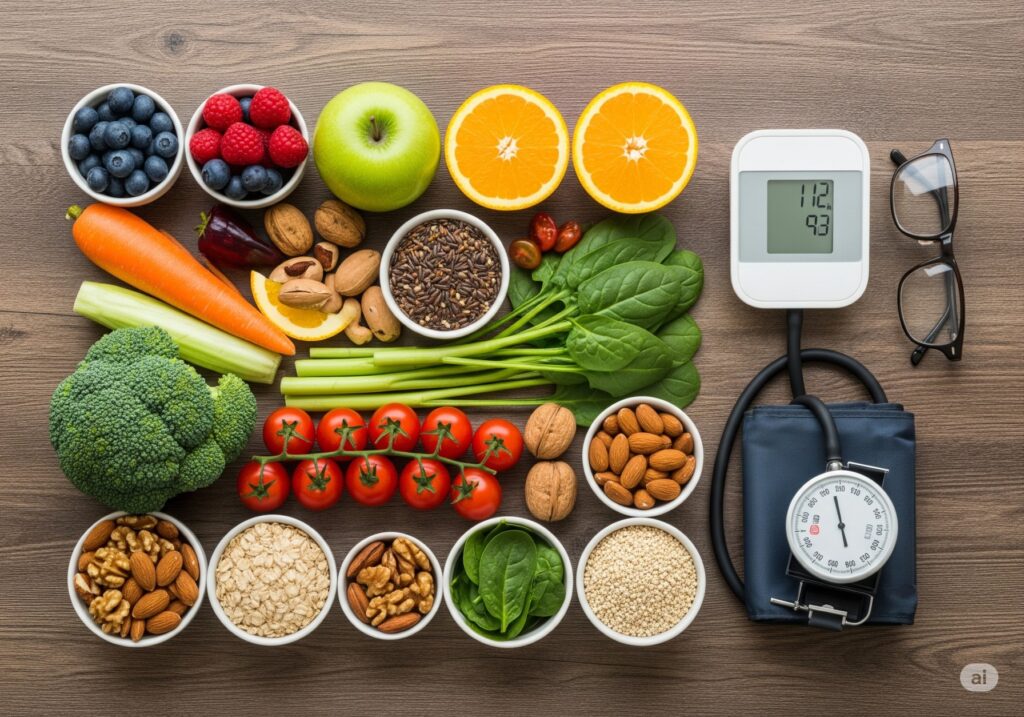
Build plates with vegetables, beans or lentils, whole grains, fruit, nuts, and lean proteins. Use olive oil. Keep sodium modest. Hydrate. If weight loss or appetite is an issue, ask about protein goals and a dietitian referral. (Older adults often need more protein to maintain muscle.) National Council on Aging
Screenings & shots checklist
- Blood pressure, lipids, and diabetes checks: regular
- Bone density (DEXA): women 65+ and younger postmenopausal women at risk; discuss for men
- Colorectal cancer: 45–75; individualize 76–85
- Vaccines: yearly flu, updated COVID-19 per 2025 guidance, pneumococcal as indicated, shingles (50+), and RSV if eligible
Keep a simple one-page list and review it at each visit. USPSTF+1, CDC+1
When to call the doctor—now, not later
Call promptly for chest pain, sudden weakness or numbness, severe shortness of breath, new confusion, black or bloody stools, or a fall with head hit. Quick action saves function—and sometimes life. CDC
Useful external links (guidelines & tools)
- CDC—Older Adults Health & Injury Prevention (falls, driving, simple safety steps): https://www.cdc.gov/still-going-strong/older-adults/ CDC
- WHO—Ageing and Health (common conditions and policy focus): https://www.who.int/news-room/fact-sheets/detail/ageing-and-health World Health Organization
- CDC—Physical Activity for Older Adults (how much and how to start): https://www.cdc.gov/physical-activity-basics/guidelines/older-adults.html CDC
- USPSTF—Osteoporosis Screening (who should get bone scans): https://www.uspreventiveservicestaskforce.org/uspstf/recommendation/osteoporosis-screening USPSTF
- CDC—Falls Facts (how common and what to do): https://www.cdc.gov/falls/data-research/facts-stats/index.html CDC
- CDC—Adult Immunization Schedule (2025): https://www.cdc.gov/vaccines/hcp/imz-schedules/adult-age.html CDC
- CDC—Pneumococcal Vaccines for Older Adults: https://www.cdc.gov/pneumococcal/vaccines/adults.html CDC
- CDC—Colorectal Cancer Screening Overview: https://www.cdc.gov/colorectal-cancer/screening/index.html CDC
- NIH Research Matters—Hearing Aids & Cognitive Decline: https://www.nih.gov/news-events/nih-research-matters/hearing-aids-slow-cognitive-decline-people-high-risk National Institutes of Health (NIH)
- NCOA—Common Chronic Conditions in Older Adults: https://www.ncoa.org/article/the-top-10-most-common-chronic-conditions-in-older-adults/ National Council on Aging
Sources
Key facts and guidance in this article draw from the World Health Organization, the U.S. Centers for Disease Control and Prevention, the U.S. Preventive Services Task Force, the National Institutes of Health, and the National Council on Aging. See the hyperlinks above for full details. World Health Organization, CDC+4, USPSTF, National Institutes of Health (NIH), National Council on Aging
Note: This post is for general information only. Always consult your doctor for medical advice. Take charge of your health after 60—stay active, eat well, and book your check-up today!





Your point of view caught my eye and was very interesting. Thanks. I have a question for you. https://accounts.binance.info/en-NG/register-person?ref=YY80CKRN
Your point of view caught my eye and was very interesting. Thanks. I have a question for you. https://accounts.binance.info/lv/register-person?ref=SMUBFN5I
Can you be more specific about the content of your article? After reading it, I still have some doubts. Hope you can help me.